
- Home/
- Buy Clomid in Online Pharmacy – Fast Shipping in United States
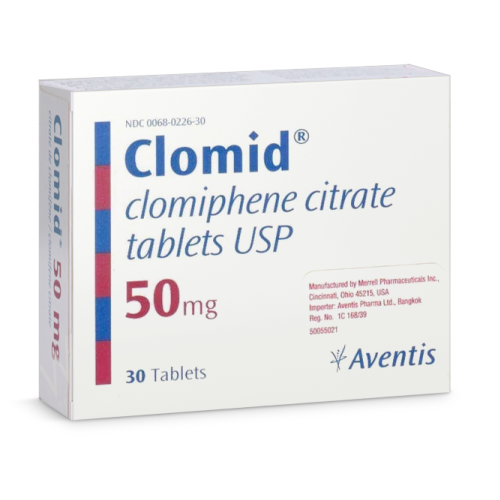
Can Clomid Be Obtained Without a Prescription in the United States?
Clomid (clomiphene citrate) is a prescription-only medication in the United States. It is illegal and unsafe to obtain Clomid without a valid prescription from a licensed healthcare provider. Use outside of medical supervision can result in serious health risks.
Key Takeaways: What You Need to Know About Clomid in the United States
- Clomid is most often prescribed to women with ovulatory infertility and is not suitable for all causes of infertility.
- A valid prescription is required for Clomid at all U.S. pharmacies, including online and telehealth services.
- Most users can expect ovulation within five to ten days after completing a treatment cycle, but not everyone will respond.
- Clomid can cause significant side effects, including visual disturbances and ovarian hyperstimulation; close medical monitoring is essential.
- Only purchase Clomid from licensed U.S. pharmacies—counterfeit and unapproved products pose serious health risks.
- Consult your doctor immediately if you experience severe pain, vision changes, or signs of an allergic reaction while on Clomid.
How Does Clomid Work to Induce Ovulation? (Mechanism of Action Explained)
Clomid (clomiphene citrate) is a selective estrogen receptor modulator (SERM). It works by binding to estrogen receptors in the hypothalamus (a part of the brain that regulates hormone release), blocking the normal negative feedback of estrogen. This “tricks” the body into perceiving low estrogen levels, which prompts the hypothalamus to increase the release of gonadotropin-releasing hormone (GnRH). As a result, the pituitary gland ramps up production of follicle-stimulating hormone (FSH) and luteinizing hormone (LH). These hormones stimulate the ovaries to mature and release eggs, thereby inducing ovulation.
To put it simply: Clomid acts as a hormonal “coach,” encouraging the ovaries to get back into action by boosting the natural signal for egg release.
Clomid’s effectiveness depends on the presence of functioning hypothalamic-pituitary-ovarian pathways; it will not work in women with primary ovarian failure or certain other types of infertility.
Patient Expectations vs. Clinical Reality: What Do Patients Often Misunderstand About Clomid?
As a reproductive endocrinologist, I often see patients expecting Clomid to guarantee pregnancy after just one cycle. In reality, while Clomid can help induce ovulation, it does not address all root causes of infertility—such as blocked fallopian tubes or severe male factor infertility. Many women do ovulate in the first cycle, but multiple cycles are sometimes needed to achieve pregnancy, and some women won’t respond at all. Another common misconception is that more medication means better results; however, exceeding recommended doses increases risks without improving outcomes. I encourage patients to focus on ovulation as the first treatment goal and to have realistic expectations regarding the timeline and likelihood of conception.
What Is the Recommended Dosage and How Should Clomid Be Taken?
Typical Starting Dose: The usual starting dose for Clomid is 50 mg once daily for five days, beginning on day 3, 4, or 5 of the menstrual cycle. If ovulation does not occur, the dose may be increased in subsequent cycles, typically not exceeding 100 mg/day.
- Maximum Dose: Do not exceed 100 mg/day or more than five days per cycle.
- Duration of Use: Most physicians recommend limiting Clomid to a maximum of six cycles due to diminishing returns and increased risks with prolonged use.
- Tablet Splitting: Clomid tablets are scored and may be split if necessary, but always follow your doctor’s specific instructions.
- Elderly or Hepatic/Renal Impairment: Clomid is not typically prescribed for postmenopausal women, and dosing in those with liver or kidney impairment should be approached with caution or avoided.
Peak Effect and Duration: Ovulation usually occurs 5 to 10 days after the last tablet. If ovulation does not occur, notify your doctor rather than increasing the dose yourself.
Does Food, Alcohol, or Lifestyle Affect Clomid’s Effectiveness?
- Food: Clomid absorption is not significantly affected by meals. You can take it with or without food; however, some people take it with food to reduce stomach upset.
- Alcohol: There is no absolute contraindication to moderate alcohol (one drink per day or less), but excessive consumption can disrupt reproductive hormones and is discouraged during fertility treatment.
- Grapefruit Juice: No clinically significant interactions have been reported between Clomid and grapefruit juice, but caution is advised with any medication due to potential effects on liver enzymes.
- Lifestyle: Smoking and high stress levels can negatively impact fertility, even when using Clomid.
Absolute and Relative Contraindications: Who Should Not Use Clomid?
- Absolute Contraindications (Never Use):
-
- Liver disease: Clomid is metabolized in the liver, so existing liver dysfunction increases risk of toxicity.
- Unexplained uterine bleeding: This must be evaluated for serious conditions (e.g., endometrial cancer) before starting therapy.
- Ovarian cysts unrelated to polycystic ovary syndrome (PCOS): Clomid can enlarge cysts or worsen underlying tumors.
- Pregnancy: Clomid is contraindicated during pregnancy (Category X), as it can harm the fetus.
- Known hypersensitivity: Allergy to clomiphene or any formulation component.
- Relative Contraindications (Use with Caution):
-
- Visual disturbances: Stop Clomid and consult a physician if you experience vision changes, as further use could cause permanent impairment.
- Polycystic ovary syndrome (PCOS): Higher risk of ovarian hyperstimulation; requires close monitoring.
- Thyroid or adrenal dysfunction: These conditions should be managed before using Clomid for optimal safety and efficacy.
What Side Effects Are Most Common with Clomid?
- Very Common (>1/10): Hot flashes, abdominal discomfort or bloating, breast tenderness, and mood swings.
- Common (1/100–1/10): Nausea, headache, visual disturbances (blurred vision, spots), and pelvic pain.
- Rare (<1/1,000): Ovarian hyperstimulation syndrome (OHSS), ovarian cyst formation, severe allergic reactions.
- Very Rare (<1/10,000): Severe visual loss (may be irreversible), stroke, or significant mood disorders.
Mechanisms: Hot flashes are due to estrogen receptor blockage in the hypothalamus, affecting temperature regulation. Visual disturbances result from direct effects on retinal receptors.
If you develop severe abdominal pain, vision changes, rapid weight gain, shortness of breath, or allergic symptoms, stop Clomid and contact emergency medical services immediately.
Common Mistakes Patients Make During Clomid Therapy—And How To Avoid Them
- Starting Clomid Without Confirmed Ovulatory Dysfunction: Clomid is not effective for all infertility causes. Skipping proper evaluation can delay effective treatment.
- Incorrect Timing of Dose: Taking Clomid outside of the advised cycle days decreases its effectiveness. Always follow your doctor’s timing instructions.
- Self-adjusting Dose: Increasing the dose without medical supervision raises the risk of serious side effects, including ovarian hyperstimulation.
- Discontinuing Too Soon: Stopping treatment after one unsuccessful cycle is premature; it often takes several cycles to achieve pregnancy.
- Ignoring Follow-Up Appointments: Missing scheduled ultrasounds or blood tests can lead to unrecognized complications.
- Failing to Report Visual Changes or Severe Pain: These are urgent warning signs—delaying medical attention can result in permanent harm.
How Does Clomid Compare to Other Fertility Treatments?
| Medication | Typical Use | Onset Speed | Duration | Side Effects | Approx. Price (USD) |
|---|---|---|---|---|---|
| Clomid (clomiphene) | First-line ovulation induction in women with ovulatory dysfunction | Ovulation typically 5–10 days after last dose | Single 5-day course per cycle | Hot flashes, mood swings, visual changes, ovarian cysts | $12–$30 per cycle (generic); branded may be higher |
| Letrozole (Femara) | Alternative for PCOS or Clomid-resistant cases | Similar—ovulation 5–10 days after last dose | Single 5-day course per cycle | Fatigue, hot flashes, dizziness, joint pain | $20–$60 per cycle |
| Gonadotropin injections (FSH/LH analogs) | Second-line for Clomid/Letrozole failures or IVF | Rapid—follicular growth monitored by ultrasound | Daily injections until ovulation trigger | Ovarian hyperstimulation, multiple pregnancy, injection reactions | $500–$2,000+ per cycle |
Clomid is usually the first choice due to its low cost and oral administration, but alternatives like letrozole may be preferred in PCOS or Clomid-resistant cases, and gonadotropins are reserved for more complex infertility or IVF.
Clomid Product Details and Technical Characteristics
| Active ingredient | Clomiphene citrate |
| Available strengths | 50 mg tablets (most common in U.S.) |
| Formulation | Oral tablet |
| Storage | Room temperature, protect from moisture and light |
| Half-life | 5–7 days (variable) |
| Prescription status in U.S. | Prescription-only |
| Manufacturer (examples) | Sanofi (original), various generics |
Step-by-Step: How to Obtain Clomid Safely in the U.S.
- Step 1: Schedule a consultation with a qualified physician. This may be an OB/GYN, reproductive endocrinologist, or primary care provider with fertility experience.
- Step 2: Undergo fertility evaluation. This typically includes blood tests, pelvic ultrasound, and sometimes partner testing to confirm ovulatory dysfunction and exclude other causes.
- Step 3: Receive a prescription if indicated. Your doctor will tailor the dose and timing based on your specific diagnosis and medical history.
- Step 4: Fill your prescription at a licensed U.S. pharmacy. This may be an in-person, mail-order, or verified telepharmacy.
- Step 5: Start treatment and attend all scheduled follow-up visits. Monitoring ensures safety and increases the likelihood of success.
Compatibility Check: Can Clomid Be Combined With Other Medications?
| Product | Can It Be Combined? | Potential Consequences |
|---|---|---|
| Metformin | Yes | Often combined, especially in PCOS |
| Letrozole | No (not simultaneously) | May be used in alternate cycles, not together |
| Hormonal contraceptives | No | Will block ovulation induction effect |
| Alcohol | In moderation | Best avoided during fertility treatment |
| Grapefruit juice | No significant interaction | Some caution due to liver metabolism |
U.S. Online Pharmacy Safety Guide: How to Avoid Unsafe Sellers
- Only use pharmacies licensed and verified in your state. Look for certification through the National Association of Boards of Pharmacy (NABP) or the “.pharmacy” domain. The FDA provides a searchable database of legitimate pharmacies: FDA.
- Warning signs of unsafe sellers: No prescription required, prices far below market rate, lack of physical address or pharmacist contact, or absence of U.S. regulatory accreditation.
- Risks of unregulated sellers: Counterfeit medications, incorrect doses, expired or contaminated products, identity theft, and lack of consumer protection.
- Always check for seals such as VIPPS, NABP, or Digital Pharmacy Accreditation.
Distinguishing Genuine Clomid from Counterfeits and Understanding Generics
- Original Clomid packaging in the U.S. typically features: Manufacturer name (“Sanofi” or equivalent), batch number, expiration date, FDA Rx-only label, and tamper-evident seals.
- Tablets: White, round, scored, often marked with strength (“50” for 50 mg). Blister packs should have uniform printing and no misspellings.
- Generics: Produced by FDA-approved manufacturers; contain the same active ingredient but may vary in shape, color, or excipients. Generics are required to have equivalent efficacy and safety, but rare allergic reactions to inactive ingredients can occur.
- Red flags for counterfeits: Missing or irregular labeling, unusual pill color or shape, no U.S. pharmacy label, no lot number, or prices far below the market average.
- Tip: If in doubt, verify the pill using online FDA drug identification tools or consult your pharmacist.
Clomid and the Psychological Side of Infertility
Facing infertility is emotionally taxing. Millions of women and couples struggle with similar challenges, and seeking support is a sign of strength. Consider discussing your concerns with your partner and a mental health professional; the journey to parenthood is rarely straightforward and you are not alone.
Pharmacokinetics of Clomid: How Is It Processed in Your Body?
- Absorption: Clomid is well-absorbed orally, reaching peak plasma concentration in 5–7 hours.
- Metabolism: The drug is metabolized primarily in the liver.
- Elimination: Excreted slowly, mostly in feces via bile; small amounts appear in urine.
- Half-life: Variable, averaging 5–7 days for the active isomer. This prolonged half-life means the drug can remain in your system for several weeks.
Implication: Individuals with liver disease or impaired bile flow may have increased risk of toxicity.
Special Considerations for Unique Patient Populations
- Liver or Kidney Disease: Use is not recommended.
- Polycystic Ovary Syndrome (PCOS): Higher risk of ovarian hyperstimulation; may need alternative protocols or lower doses.
- Elderly Patients: Clomid is not indicated for women after natural menopause.
- Fertility and Family Planning: Clomid does not affect long-term fertility but should not be used during pregnancy; discontinue before attempting conception if pregnancy is already confirmed.
- Driving and Machinery: Clomid may cause vision disturbances—avoid these activities if you experience such effects.
Original Versus Generic Clomid: What’s the Difference?
- Original (Brand Name): Manufactured by Sanofi; offers consistent quality, but often at a higher out-of-pocket cost.
- Generic Clomiphene: Produced by several FDA-approved companies; contains the same active ingredient but may differ in inactive components (fillers, coloring agents).
- Are generics as effective? Yes, generics are rigorously tested for bioequivalence. Some patients may notice minor differences in tolerability if they are sensitive to excipients.
- Cost: Generics are substantially less expensive and equally effective for most patients.
What Should You Do if You Take Too Much Clomid?
- Stop taking Clomid immediately.
- Call Poison Control (1-800-222-1222) or 911 if you have severe symptoms (e.g., severe abdominal pain, vomiting, breathing difficulty, vision loss).
- Tell healthcare providers exactly how much and when you took the medication.
- Do not try to treat an overdose at home; prompt medical attention can be lifesaving.
Quality Check: How to Recognize Authentic Clomid in the U.S.
- Color: White, round tablets, scored, marked with “50.”
- Packaging: Blister packs or prescription vials from a U.S. pharmacy. Always has a lot number, expiration date, and FDA-mandated labeling (“Rx Only”).
- Verification features: Newer packaging may include QR codes or holographic seals—scan or check these via the manufacturer’s website or your pharmacy.
- Never use loose tablets, unmarked packaging, or products purchased from unverified sources.
Myth vs. Reality: What Should You Really Expect from Clomid?
- Myth: “Clomid guarantees pregnancy.”
Reality: While Clomid induces ovulation in many women, not all will conceive, as conception also depends on egg quality, sperm health, and other factors. - Myth: “If you don’t get pregnant after one cycle, it doesn’t work.”
Reality: Several cycles are often needed, and success rates are cumulative across cycles.
Questions Patients Commonly Ask Their Doctor About Clomid Therapy
- How will I know if Clomid is working?
- Your doctor will often confirm ovulation using blood tests (progesterone level) or ultrasound monitoring of ovarian follicles. Some patients also track basal body temperature or use ovulation predictor kits, but medical confirmation is more reliable.
- Is there an increased risk of twins or multiples with Clomid?
- Yes, the rate of twins with Clomid is about 8–10%, higher than in natural conception. Higher-order multiples (triplets or more) are rare but possible.
- How many cycles of Clomid should I try before considering other options?
- Generally, if you do not become pregnant after 3–6 cycles, your doctor will reassess your case and may recommend further evaluation or alternative treatments.
- What kind of monitoring will I need during treatment?
- Monitoring may include ultrasound scans to assess follicle growth and bloodwork to measure hormone levels. This helps reduce risks like ovarian hyperstimulation syndrome.
- Can I use Clomid if I have irregular periods or PCOS?
- Yes, Clomid is often used in women with PCOS or irregular cycles, but dosing and monitoring may be adjusted to prevent overstimulation of the ovaries.
- Are there any symptoms that mean I should stop taking Clomid?
- If you experience severe abdominal pain, swelling, sudden weight gain, trouble breathing, or visual changes, stop Clomid and contact your healthcare provider immediately.
- Is it safe to continue Clomid cycles back-to-back?
- Usually, cycles can be repeated as directed by your doctor, but prolonged use increases risks. Most providers recommend no more than six cycles total.
Frequently Asked Questions About Clomid in the U.S.
Is Clomid effective for all types of female infertility?
No. Clomid is effective primarily for ovulatory dysfunction. It will not work for infertility due to blocked fallopian tubes, severe male factor issues, or uterine abnormalities.
How much does Clomid cost in the United States?
Generic Clomid (clomiphene citrate) typically costs $12–$30 per cycle. Brand-name tablets may be more expensive, up to $100 or more per cycle. Insurance coverage varies.
Does insurance cover Clomid prescriptions?
Many insurance plans cover Clomid for infertility treatment, but coverage depends on your specific plan and diagnosis. Always check with your insurer.
Can I buy Clomid from an online pharmacy without a prescription?
No. It is illegal and unsafe to purchase Clomid without a prescription in the U.S. Only use licensed, verified online pharmacies requiring a valid prescription.
How long can I safely use Clomid?
Most guidelines recommend no more than six cycles of Clomid due to declining success rates and increased risks with longer use.
Can Clomid interact with other medications?
Clomid does not have major drug interactions, but always inform your doctor of all medications and supplements you are taking.
What should I do if I miss a dose?
Take the missed dose as soon as you remember, unless it’s almost time for your next dose. Do not double up. Contact your doctor for guidance if unsure.
What is the success rate for Clomid-induced pregnancies?
Ovulation occurs in about 70–85% of women using Clomid, with pregnancy rates of 20–40% over several cycles, depending on other fertility factors.
Are there alternatives if Clomid doesn’t work?
Yes. Options include letrozole, gonadotropin injections, and assisted reproductive techniques like IVF, depending on your diagnosis.
What side effects should make me stop Clomid immediately?
Severe abdominal pain, visual disturbances, rapid weight gain, difficulty breathing, or signs of an allergic reaction require immediate medical attention.
Clinical Assessment: When Clomid Is the Right Choice—and When It’s Not
As a reproductive endocrinologist, I consider Clomid an excellent first-line therapy for women with proven ovulatory dysfunction and normal uterine/tubal anatomy. It’s especially well-suited for women with irregular cycles who have no contraindications like liver disease or unexplained uterine bleeding. However, Clomid is unlikely to be beneficial in patients with primary ovarian failure, blocked fallopian tubes, or significant male factor infertility. For women with PCOS who fail to ovulate with standard Clomid, I may consider letrozole or combination regimens. In patients who do not conceive after three to six cycles despite confirmed ovulation, further evaluation is warranted, and alternative therapies, including assisted reproduction, should be considered. My clinical decision always weighs the risks of side effects—including visual changes and ovarian hyperstimulation—against the potential benefits, and I emphasize the importance of close monitoring and open communication throughout therapy.
References
- U.S. Food and Drug Administration (FDA), Clomiphene Citrate Label. Accessed 2026. https://www.fda.gov/
- Practice Committee of the American Society for Reproductive Medicine. Use of clomiphene citrate in the treatment of infertility. Fertility and Sterility. 2023. https://www.asrm.org/
- Mayo Clinic. Clomiphene (Oral Route) Description and Brand Names. Accessed 2026. https://www.mayoclinic.org/
- National Institutes of Health. Clomiphene. Drug Information Portal. Accessed 2026. https://druginfo.nlm.nih.gov/
- Centers for Disease Control and Prevention (CDC). Infertility FAQs. Accessed 2026. https://www.cdc.gov/
- PubMed. Efficacy of clomiphene citrate for ovulation induction: A systematic review and meta-analysis. Accessed 2026. https://www.ncbi.nlm.nih.gov/pubmed/
