
- Home/
- Buy Lasix in Online Pharmacy – Fast Shipping in United States
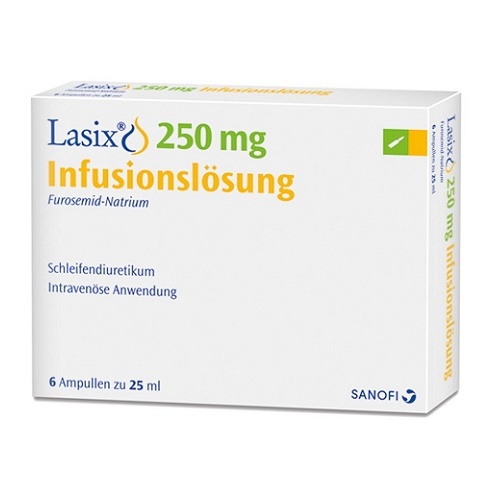
| Name & Main Compound | Lasix (Furosemide) |
|---|---|
| Primary Use | Management of fluid retention (Edema) in conditions such as heart failure, kidney disease, and liver disorders |
| Strength Variations | Available in 20 mg, 40 mg, and 80 mg tablets |
| How Quickly It Works | Typically begins to act within 30–60 minutes after oral administration |
| Active Window | The effect usually lasts for 6–8 hours |
| Dosing Approach | Usually taken once or twice daily as prescribed |
| Prescription Requirement (US) | Prescription-only, regulated by the FDA |
| Estimated Cost Range (US) | Approximately $7–$25 for a 30-tablet pack, depending on strength and pharmacy |
Lasix (Furosemide) for Edema in the United States: What to Know Before You Decide
Lasix, with its active ingredient Furosemide, is a prescription medication widely used to treat swelling (edema) caused by heart, kidney, or liver problems. It is approved and available in the United States by prescription, and plays a key role in managing fluid overload when other treatments are insufficient. Understanding how it works, whether it suits your situation, and how to take it safely is essential before moving forward.
How Common and Treatable Is Edema?
Fluid retention, or edema, is a frequent issue in medical practice, affecting millions of adults in the United States every year. According to the Centers for Disease Control and Prevention (CDC), over 6 million Americans live with heart failure—a key cause of edema—while chronic kidney disease, another leading contributor, impacts approximately 37 million adults (CDC, 2023). Edema can also arise from liver disease, certain medications, or even prolonged immobility. The good news: treatment options like Lasix are proven and accessible, and in most cases, reducing swelling is achievable with the right approach. You are not alone in managing this condition, and effective solutions exist.
How Lasix Addresses Fluid Buildup: The Mechanism and Its Impact
Lasix belongs to a group of medicines called loop diuretics, often referred to as “water pills.” It works by acting on a specific part of the kidneys—the loop of Henle—to block the reabsorption of sodium and chloride. By doing so, it increases the amount of salt and water removed from your bloodstream into your urine. The practical result: your body gets rid of excess fluid, which reduces swelling in your legs, lungs, or abdomen. Most people notice increased urination within an hour of taking Lasix, and this effect generally continues for several hours. This timely removal of fluid can also help relieve symptoms like shortness of breath, heaviness, or discomfort caused by edema.
- In simple terms: Lasix helps your body “shed water” efficiently, targeting the root cause of swelling instead of just masking symptoms.
- For patients: The relief typically starts within 30–60 minutes and can make a real difference in daily comfort—especially when swelling is severe or causes breathing difficulties.
Is Lasix Right for You? Matching Options to Real-Life Scenarios
| Your Situation | Recommended Approach | Why This Choice? |
|---|---|---|
| You have chronic swelling from heart, kidney, or liver disease, and previous diuretics are insufficient | Lasix is often appropriate—discuss with your physician | It addresses resistant edema quickly and is effective when milder “water pills” do not provide enough relief |
| Edema started suddenly and is accompanied by chest pain, confusion, or severe shortness of breath | Immediate medical evaluation is required before taking any diuretic | Sudden fluid buildup may signal a medical emergency (e.g., heart failure exacerbation, pulmonary edema) and requires urgent intervention |
| You experience mild swelling after eating salty food or standing for long periods, without underlying disease | Non-drug measures preferred | Lasix is not indicated for minor, temporary edema; lifestyle changes and leg elevation are safer and sufficient |
| You have low blood pressure, severe dehydration, or a history of allergic reaction to sulfa drugs | Lasix may not be safe for you | There is a risk of worsening low blood pressure, dehydration, or allergic reactions—consult your doctor about safer alternatives |
These scenarios are not exhaustive but reflect typical situations people encounter. Your own case may involve other medical conditions or medications—always consult a healthcare provider before starting or changing a diuretic.
How to Take Lasix: Day-to-Day Practical Guidance
Lasix is generally taken by mouth once or twice daily, preferably in the morning to avoid nighttime trips to the bathroom. Taking it with or without food does not significantly affect its absorption, but if it upsets your stomach, a light meal may help. Always swallow the tablet with water and follow the exact dose prescribed by your doctor.
- If you miss a dose: Take it as soon as you remember, unless it is close to your next scheduled dose. Do not double up; missing a single dose is usually not dangerous but skipping several may cause your symptoms to return.
- If Lasix does not seem to work: Do not increase your dose on your own. Swelling can sometimes persist due to salt intake, kidney function, or medication interactions. Contact your healthcare provider for advice and possible adjustments.
- What is normal: More frequent urination, especially in the first hours after taking Lasix. Mild dizziness can occur if you stand up quickly.
- What is NOT normal: Severe dizziness, confusion, muscle cramps, irregular heartbeat, or no urination at all—these require immediate medical attention.
- Non-standard situations: If you develop vomiting, diarrhea, or signs of dehydration, your dose may need adjustment. Inform your doctor if you are hospitalized for any reason while on Lasix.
Can I Take Lasix? Who Should Not Use It
Lasix is not suitable for everyone. Certain health conditions and histories make its use unsafe:
- Severe kidney failure (anuria): Lasix should not be used if your kidneys cannot produce urine, as it will not be effective and may worsen your condition.
- Known allergy to Furosemide or sulfonamide drugs: Because Lasix is chemically related to sulfa drugs, allergic reactions can be severe.
- Severe electrolyte imbalances: If you already have very low potassium or sodium, Lasix could worsen these disturbances, leading to dangerous heart or muscle problems.
- Profound dehydration: Using Lasix when your body is already lacking in fluids can cause blood pressure to drop dangerously low.
- Liver coma: In hepatic coma or states of severe liver dysfunction, Lasix should only be used under hospital supervision.
Discuss your full medical history with your clinician to ensure Lasix is appropriate for you. Self-medication, especially for serious or chronic conditions, can be dangerous.
What Side Effects Should I Expect with Lasix?
Most people tolerate Lasix well, but side effects can occur. Common effects and their context:
- Frequent urination: Expected and indicates the medication is working; not harmful unless excessive fluid loss occurs.
- Dizziness or lightheadedness: Especially after standing up quickly, as the medication can lower blood pressure. Usually mild and temporary.
- Electrolyte disturbances (low potassium, sodium, magnesium): These can cause muscle cramps, weakness, or irregular heartbeat. Routine blood tests help monitor these changes.
- Rare but serious reactions: Severe allergic reactions (rash, swelling, difficulty breathing), hearing loss (at high doses), or confusion. If you notice these, seek immediate care.
Signs you should call 911 (United States) immediately: sudden chest pain, severe shortness of breath, fainting, or swelling of the face or tongue. These may indicate a life-threatening reaction and require emergency attention.
Are There Risks with Other Medications or Foods?
Lasix interacts with several common medicines:
- Other blood pressure medications: May increase the risk of low blood pressure or kidney problems.
- NSAIDs (like ibuprofen): Can reduce the effect of Lasix and may damage kidneys when used together.
- Digoxin or certain antibiotics: Combined with Lasix, these may increase the risk of abnormal heart rhythms.
- Licorice and high-salt foods: May lessen the effectiveness of Lasix or worsen fluid retention.
Always provide your healthcare provider with a complete list of any medicines, supplements, or herbal products you take. Adjustments or extra monitoring may be needed to safely combine therapies.
How Does Lasix Compare to Other Options for Edema?
Several medications and approaches are used to treat edema. Here’s an honest comparison based on typical scenarios:
| Option | Main Benefit | Potential Limitation |
|---|---|---|
| Lasix (Furosemide) | Rapid and strong reduction of severe fluid buildup; effective when others fail | Can cause significant electrolyte imbalance; close monitoring needed |
| Thiazide diuretics (e.g., hydrochlorothiazide) | Useful for mild to moderate edema; fewer electrolyte effects at low dose | Less effective for severe or acute swelling |
| Spironolactone | Helps in cases related to liver disease or hormonal imbalance; potassium-sparing | Slower onset; risk of high potassium, especially in kidney disease |
| Non-drug measures (salt reduction, leg elevation) | No medication side effects; effective for mild, transient cases | Insufficient for moderate to severe or chronic edema |
Lasix is often the best choice for persistent or significant fluid overload, especially when rapid relief is needed or when other drugs have not worked. However, it is not always the safest in people with fragile electrolyte balance or certain kidney conditions. Honest discussion with your physician ensures the right fit for your health needs.
Buying Lasix in the United States: What to Expect and What It Costs
Lasix is classified as a prescription medication in the United States and is regulated by the Food and Drug Administration (FDA). To purchase it legally, you need a valid prescription from a licensed healthcare provider. While some online pharmacies may offer it without a prescription, this practice is technically not compliant with US law and may involve risks of counterfeit or substandard products.
Most US pharmacies, both brick-and-mortar and reputable online services, require a prescription and may offer telemedicine consultations if you do not already have one. Pricing varies by pharmacy, dose, and generic manufacturer.
| Expense Item | Cost (USD) | Details |
|---|---|---|
| Doctor visit (in-person or telemedicine) | $50–$150 | For initial prescription or follow-up; varies by provider |
| Prescription fee (if separate) | $0–$25 | Some clinics/pharmacies may charge an electronic prescribing fee |
| Lasix (Furosemide) tablets (30 count, generic) | $7–$25 | Depends on strength (20 mg, 40 mg, 80 mg) and location |
| Standard delivery (online order) | $5–$15 | Home delivery; some pharmacies offer free shipping |
| Total | $62–$215 | From minimum (generic, telemedicine, free shipping) to maximum scenario |
Insurance may cover most of these costs, especially if Lasix is prescribed for an approved indication. Always confirm with your provider and insurer for the most accurate estimate. When purchasing online, verify the pharmacy’s credentials through the National Association of Boards of Pharmacy (NABP) or FDA listings for safety.
Lingering Questions About Lasix and Edema: Final Clarifications
How often do I need monitoring while on Lasix? Regular checkups are important, especially in the first weeks. Most clinicians recommend blood tests for electrolyte levels and kidney function every few months, or sooner if you notice symptoms like muscle cramps, confusion, or irregular heartbeat. This is not only to catch side effects but to tailor your dosage safely.
Can Lasix cure the underlying cause of my swelling? Lasix relieves symptoms by removing excess fluid, but it does not resolve heart, kidney, or liver disease itself. It is a cornerstone of symptom control while your physician addresses the underlying condition.
Is it safe during pregnancy or breastfeeding? Lasix is generally avoided unless absolutely necessary during pregnancy or while nursing, as it may affect fluid balance in the mother and baby. Your doctor will weigh benefits and risks carefully if this question applies to you.
What should I do if I feel unwell after starting Lasix? If you experience severe dizziness, persistent vomiting, confusion, or signs of dehydration, contact your healthcare provider right away. For signs of a severe reaction (chest pain, fainting, trouble breathing), call 911 immediately.
