
- Home/
- Buy Ventolin Inhaler in Online Pharmacy Across the United States
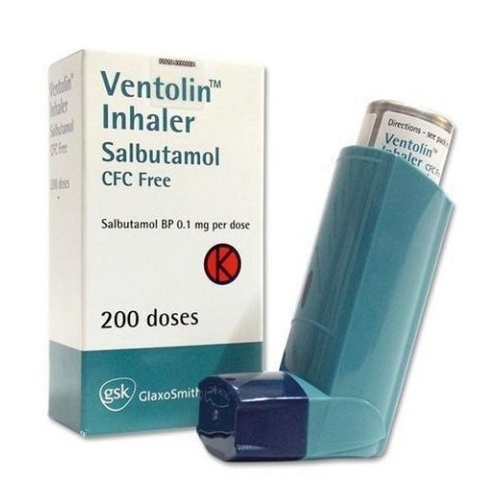
Why Do So Many Asthma Patients in United States Ask About Ventolin Inhaler?
Picture this: You’re on the sideline at your kid’s soccer game. The air is brisk, the wind changes, and suddenly you’re short of breath. You know you’re not alone—millions of Americans with asthma carry that blue inhaler, fingers hovering over it in case the next breath doesn’t come easily. But why Ventolin? Why not something else?
The answer isn’t about branding or habit—it’s about speed and reliability. Ventolin Inhaler (salbutamol) is the go-to “rescue” inhaler in the United States because it works within minutes. It’s the difference between panic and control, especially in the moment asthma symptoms hit hardest. Every patient remembers their first successful breath after a dose of salbutamol. That’s why, even as new medications arrive, Ventolin remains the fallback for real-world asthma emergencies.
Ventolin isn’t just fast—it’s designed for speed. Most patients feel relief within 5 minutes, often sooner. But if it’s not working by then, that’s a sign to seek help—not to take extra puffs.
Still, Ventolin is only one part of the asthma toolbox. Its role is relief—not prevention. Too many patients expect it to do both, and that’s where confusion, and sometimes risk, begins.
Ventolin Inhaler in Real Life: What Happens When You Use It?
You shake, you exhale, you inhale—a ritual that starts to feel automatic. But what actually happens inside your body after you press down on the Ventolin Inhaler?
Salbutamol heads straight for the smooth muscle lining your airways and tells it to relax. This opens things up, letting air move more freely. Symptoms like wheezing, coughing, and chest tightness typically begin to fade within 5 minutes. For most people, the effect lasts about 4 to 6 hours.
- What you feel:
- Relief from tightness, less effort to breathe, wheezing quiets down.
- What you shouldn’t feel:
- Complete prevention of future attacks, or improvement in swelling and inflammation (that’s the job of controller medications).
Some patients notice a mild tremor, a racing heart, or jitteriness. These are expected effects—not signs of overdose if they’re mild and short-lived. But if your heart is pounding uncomfortably or symptoms don’t subside, it’s time for medical attention.
The context matters: using Ventolin exactly as prescribed keeps you out of the emergency room and in control of your life.
The Comparison That Matters: Ventolin Inhaler vs. Other Asthma Inhalers
| Attribute | Ventolin Inhaler (Salbutamol) | ProAir HFA (Albuterol) | Flovent HFA (Fluticasone) |
|---|---|---|---|
| Indication | Relief of acute asthma symptoms | Relief of acute asthma symptoms | Long-term asthma control |
| Active Ingredient | Salbutamol (albuterol sulfate, identical compound) | Albuterol sulfate | Fluticasone propionate |
| Onset of Relief | 3–5 minutes | 3–5 minutes | Not for acute relief |
| Duration | 4–6 hours | 4–6 hours | 12–24 hours (preventive) |
| Prescription Status (US) | Rx only | Rx only | Rx only |
| Typical Use | As needed for symptoms | As needed for symptoms | Every day (controller) |
| Key Side Effects | Tremor, rapid heartbeat | Tremor, rapid heartbeat | Hoarseness, oral thrush |
| Insurance Coverage | Widely covered (varies) | Widely covered (varies) | Covered, higher copay common |
| Cost (without insurance) | $30–$70 (inhaler) | $30–$80 (inhaler) | $120–$300 (controller inhaler) |
Ventolin and ProAir contain the same medication—albuterol (salbutamol)—but may differ in inhaler design and cost depending on your pharmacy and insurance. Flovent is not a rescue inhaler but a controller, so it cannot replace Ventolin in sudden asthma attacks.
Bottom line: If you need rapid relief, both Ventolin and ProAir are considered equivalent by guidelines and the FDA. Your experience—taste, comfort, ease of use—may guide your preference, but cost and insurance coverage are also practical factors.
How to Use Ventolin Inhaler Without Missing the Point
Every asthma patient has heard “two puffs as needed.” But using Ventolin Inhaler isn’t just about counting—it’s about timing, spacing, and technique.
| Age Group | Typical Dosage | Maximum per Episode | When to Re-dose |
|---|---|---|---|
| Adults & Adolescents (12+ yrs) | 1–2 puffs as needed | 2 puffs | Repeat every 4–6 hours if needed |
| Children (4–11 yrs) | 1 puff as needed | 2 puffs | Repeat every 4–6 hours if needed |
| Children under 4 | Not routinely recommended; specialist advice required | Case-by-case | Medical supervision |
- Shake the inhaler well before each use.
- Exhale fully, position the mouthpiece, and inhale steadily as you press down.
- Wait about 30 seconds between puffs if a second is required.
- Rinse your mouth after use to reduce mild throat irritation.
In United States, most insurance plans cover one or two canisters per month for routine asthma. If you’re using up your supply faster, it’s time to reassess your treatment plan.
Which Side Effects Matter Most with Ventolin Inhaler — and When to Act
Most people tolerate Ventolin Inhaler well. The classic “shaky hands” or mild heart flutter are common, short-lived, and expected. But not all side effects are harmless—knowing when to worry changes outcomes.
- Mild Tremor
- Tends to peak within 20 minutes, usually fades quickly. Annoying, but rarely dangerous.
- Rapid Heartbeat
- Often feels like a flutter or thumping. If it passes quickly and isn’t accompanied by chest pain or faintness, it’s usually safe.
- Headache
- Reported by some, typically mild and transient.
- Paradoxical Bronchospasm
- Very rare but serious. If wheezing worsens immediately after inhaling, stop using Ventolin and seek emergency care.
| Side Effect | Frequency | When to Call a Doctor |
|---|---|---|
| Mild tremor | Common (10–20%) | If severe or persistent beyond a few hours |
| Rapid heartbeat | Common (5–15%) | If accompanied by chest pain, fainting, or does not subside |
| Headache | Occasional (3–7%) | If persistent or associated with vision changes |
| Paradoxical bronchospasm | Rare (<1%) | Immediate medical attention |
| Allergic reaction (rash, swelling) | Very rare | Stop Ventolin and seek emergency care |
If in doubt, err on the side of caution. The most dangerous moments in asthma are when symptoms worsen and the patient hesitates to seek help, hoping another puff will do the trick.
When Not to Take Ventolin Inhaler
- You have a documented allergy to salbutamol (albuterol) or any component of the inhaler.
- You have experienced paradoxical bronchospasm (worsening of breathing) after use in the past.
- You have uncontrolled heart rhythm problems (e.g., severe arrhythmia) or certain types of heart disease.
- You’re already taking high doses of other stimulant medications, like decongestants or certain ADHD drugs.
- You’re pregnant or breastfeeding—discuss with your doctor, as Ventolin is generally considered safe, but the risks and benefits should be weighed individually.
- You have hyperthyroidism, as salbutamol may increase symptoms.
- You notice a new or unexpected side effect, especially chest pain or severe dizziness, after using the inhaler.
Never self-increase the dose to compensate for poor asthma control. This is one of the main reasons patients end up in the hospital.
The absolute contraindications are rare, but the relative cautions matter. If you’re not sure whether Ventolin is right for you, it’s not a decision to make alone.
Salbutamol: What You Won’t Hear in the Pharmacy
Pharmacists will tell you Ventolin Inhaler contains salbutamol (called albuterol in United States) and that it’s a bronchodilator. What often goes unsaid is why this specific ingredient matters—and when it stops mattering.
Salbutamol acts quickly because it binds to beta-2 receptors in your airway muscles. This is why it’s the preferred rescue therapy. But not all asthma is created equal, and not all patients respond the same way.
Doctor’s Clinical Insight: “Some patients expect salbutamol to ‘fix’ their asthma, when in reality, it only treats symptoms. I see people using rescue inhalers multiple times a day—when what they actually need is better controller therapy. The more you rely on your Ventolin, the more you need to talk to your doctor about prevention.”
- Salbutamol’s rapid onset is unmatched for acute relief, but it does not reduce airway inflammation—the root of asthma.
- Using more than 2 puffs per episode or more than twice a week signals poor control, not increased need for rescue medication.
- Patients with certain types of severe asthma (e.g., steroid-resistant eosinophilic asthma) may find salbutamol less effective and require alternative therapies.
In real-world practice, the best outcomes are seen in patients who use Ventolin for emergencies only, and have a separate, regularly used controller inhaler prescribed by their doctor.
Accessing Ventolin Inhaler in United States: Practical Realities
Ventolin Inhaler is a prescription-only medication in United States. You cannot purchase it over the counter, and online sales require a valid prescription from a licensed healthcare provider.
- Consult your primary care physician, asthma specialist, or pediatrician for an evaluation and prescription.
- Most major pharmacies (CVS, Walgreens, Rite Aid, Walmart) carry Ventolin Inhaler. Inventory can fluctuate by season and location.
- Telemedicine platforms can prescribe Ventolin Inhaler, but insurance coverage and state regulations vary.
Insurance coverage for Ventolin is generally good, especially for those with asthma or COPD diagnoses. Copays range from $10–$30 per inhaler for many plans, but uninsured patients may pay up to $70. Patient assistance programs from manufacturers or advocacy organizations can help offset costs, especially for those who are underinsured.
- Always check with your insurer for preferred brand coverage. Generic albuterol inhalers may be substituted.
- Keep track of your prescription refills; some plans require prior authorizations for frequent use.
- If traveling, bring enough medication and your prescription paperwork—pharmacy rules may differ by state.
In emergency situations, pharmacies may provide an emergency supply with physician approval, but this is not guaranteed. Know your refill status before you run out.
FAQ: Ventolin Inhaler in United States
- If I forget my Ventolin Inhaler at home, what’s the safest thing to do when symptoms hit?
- Find a place to rest, avoid physical exertion, and use controlled breathing techniques while seeking access to medical care. In urgent cases, emergency rooms can provide immediate bronchodilator treatment.
- Can I use Ventolin Inhaler before exercise if I don’t have symptoms?
- Yes, using one or two puffs 15–30 minutes before exercise is a common, evidence-based approach for exercise-induced asthma. Always follow your doctor’s instructions for preventive dosing.
- Why does my inhaler sometimes taste different or feel weaker than before?
- Changes in taste or force may relate to the inhaler device—not the medication. Manufacturing differences, generic substitutions, or expired inhalers can affect perception. Check the expiration date and discuss any concerns with your pharmacist.
- How many puffs are safe to take in one day?
- Most adults and children should not exceed 8 puffs in a 24-hour period. If you consistently need more, your asthma is not well-controlled—see your doctor rather than increasing the dose on your own.
- Does Ventolin Inhaler interact with my other medications?
- Salbutamol may interact with certain heart medications (like beta-blockers) and stimulants. Always inform your healthcare provider about all your current medications, including over-the-counter drugs and supplements.
- What happens if my asthma gets worse even with Ventolin?
- Escalating symptoms despite Ventolin use are a medical emergency. Seek prompt help—delaying can lead to dangerous complications. Your doctor may need to adjust your treatment plan or prescribe additional therapies.
- Can I get Ventolin Inhaler refills automatically?
- Many pharmacies in United States offer automatic refills for chronic medications, but insurance rules and prescription expiration dates apply. Sign up for reminders and check your supply regularly to avoid gaps.
References
- U.S. Food and Drug Administration (FDA) – Drugs
- National Heart, Lung, and Blood Institute – Asthma
- Ventolin HFA (albuterol sulfate) Inhalation Aerosol Prescribing Information, GlaxoSmithKline, 2023
- Centers for Disease Control and Prevention – Asthma FAQs
- Mayo Clinic – Asthma: Diagnosis and Treatment
- National Guideline Clearinghouse (NGC)
- Global Initiative for Asthma (GINA) 2023 Guidelines
- American Academy of Allergy, Asthma & Immunology (AAAAI)
