
- Home/
- Buy Antabuse Without Prescription in the United States Online
Medical Disclaimer: This article is for informational purposes only. Medication use is only possible after consultation with a doctor. Self-medication can be dangerous to your health and may have serious consequences.
Antabuse (Disulfiram) in the United States: The Complete Expert Guide for Safe Use, Prescription, and Results
Summary: Key Facts about Antabuse
| Parameter | Value (U.S. specific) |
|---|---|
| Active Ingredient | Disulfiram |
| Main Use | Treatment of alcohol dependence (deterrent therapy) |
| Prescription Status | Prescription only (Rx required in all U.S. states) |
| Onset Time | Within 1–2 hours after oral intake |
| Max Daily Dose | 500 mg (standard maintenance: 250 mg daily) |
| Key Contraindication | Recent alcohol intake, severe heart/liver disease, pregnancy |
| Availability | Pharmacies and mail-order with valid U.S. prescription |
Bottom line: Antabuse is a prescription medication used to support abstinence in alcohol dependence. It is not available over-the-counter in the United States and should only be used under medical supervision.
Is a Prescription Required for Antabuse in the United States?
Direct answer: Yes, a valid prescription from a licensed healthcare provider is required to obtain Antabuse (Disulfiram) anywhere in the United States. Dispensing without a prescription is illegal and poses serious health risks due to potential adverse reactions and contraindications.
The U.S. Food and Drug Administration (FDA) classifies Disulfiram as a prescription-only medication. Pharmacies (including online/mail-order) must verify your prescription before dispensing. Attempting to purchase Antabuse without a prescription from unlicensed sources is both unsafe and unlawful.
Myth vs Reality:
Myth: You can buy Antabuse online without a prescription.
Reality: U.S. law requires a prescription; genuine pharmacies will always verify it.
Prescription requirements are in place to protect you from dangerous interactions and ensure the medication is appropriate for your condition.
How Does Antabuse Work Against Alcohol Dependence?
Let’s unpack the science. The active ingredient in Antabuse, Disulfiram, works by blocking the enzyme aldehyde dehydrogenase in your liver. Normally, when you drink alcohol, your body breaks ethanol down into acetaldehyde, then quickly converts it to harmless acetic acid. But Disulfiram interrupts that second step, causing acetaldehyde to build up to toxic levels if you consume alcohol.
The result? Within minutes to hours after drinking, you may experience:
- Flushing of the face
- Severe nausea and vomiting
- Palpitations (rapid heartbeat)
- Low blood pressure
- Anxiety and headache
These reactions can be intense, making drinking alcohol extremely unpleasant—which is the deterrent effect Antabuse relies on. The medication does not reduce cravings or change brain chemistry related to addiction. Instead, it acts as a behavioral deterrent by ensuring consistent, predictable, and uncomfortable physical consequences if you drink alcohol.
Simplified metaphor: Think of Antabuse as a “booby trap” for your body—if you try to drink, you trip the alarm and immediately pay the price.
Antabuse Dosage and Administration: What You Need to Know
| Parameter | Usual Adult Dose | Special Considerations |
|---|---|---|
| Initial Dose | 500 mg once daily (1–2 weeks) | Reduce if side effects occur |
| Maintenance Dose | 250 mg once daily | Minimum effective dose individualized |
| Maximum Dose | 500 mg daily | Never exceed this without medical supervision |
| Elderly | Start at lower doses (125–250 mg) | Monitor for increased sensitivity |
| Renal/Hepatic Impairment | Usually contraindicated if severe | Consult specialist |
| Splitting Tablets | Possible but only if scored and as advised by pharmacist | Not all brands are scored |
Administration tips:
- Take Antabuse in the morning, with or without food, unless otherwise instructed.
- Alcohol must be avoided for at least 12 hours before starting and for up to 14 days after stopping.
- Do not double up if you miss a dose—take your next dose as scheduled.
Dosage should always be determined and adjusted by a healthcare professional, based on your medical history and response. Never change your dose without consulting your prescriber.
Antabuse, Food, and Alcohol: What’s Safe and What’s Not?
- Can I take Antabuse with food?
- Yes. Food does not significantly affect absorption, though taking with a small meal may reduce stomach upset.
- Is alcohol ever safe with Antabuse?
- No. Even small amounts of alcohol—such as that found in sauces, vinegars, mouthwashes, aftershaves, or cough syrups—can cause dangerous reactions. There is no “safe” threshold.
- What about grapefruit juice?
- There is no known interaction between Disulfiram and grapefruit juice. However, always check with your provider regarding other medications.
- What lifestyle changes should I expect?
- You must strictly avoid all forms of alcohol, including “hidden” sources in food, hygiene, and household products. Read labels carefully and, when in doubt, ask your pharmacist.
| Product | Can it be combined? | Potential Consequences |
|---|---|---|
| Alcohol (any amount) | NO | Severe reaction, potentially life-threatening |
| High-fat meal | Yes | May delay absorption slightly, not clinically significant |
| Grapefruit juice | Yes | No known interaction |
| Other medications* | Depends | Check with your provider for possible interactions |
*Especially metronidazole, isoniazid, phenytoin, and certain antidepressants—see detailed interaction list below.
Who Should Never Use Antabuse? Full List of Contraindications
Absolute Contraindications (Never Use)
- Current or recent (within 12 hours) use of alcohol
- Severe liver disease (cirrhosis, acute hepatitis)
- Severe heart disease (e.g., coronary artery disease, arrhythmias, heart failure)
- Known hypersensitivity to Disulfiram or other thiuram derivatives
- History of psychosis (including schizophrenia)
- Pregnancy and breastfeeding (FDA Category C)
- Previous severe reaction to Disulfiram/Antabuse
Relative Contraindications (Use With Caution)
- Moderate liver or kidney impairment
- Diabetes mellitus (risk of hypoglycemia during reactions)
- Epilepsy or seizure disorder
- Elderly (greater sensitivity to adverse effects)
- Respiratory disease (COPD, asthma)
Medication Interactions That Prohibit Use
- Concomitant use with metronidazole or paraldehyde (risk of psychosis, confusion)
- Drugs that may cause liver toxicity (isoniazid, some antiretrovirals)
- Phenytoin (can increase plasma levels)
Explanation: These restrictions exist because Disulfiram’s inhibition of enzyme pathways can cause severe physiological disturbances. Cardiac, hepatic, or psychiatric instability makes these risks unacceptably high.
What Side Effects Are Most Common With Antabuse?
Very Common (>10%):
- Drowsiness, fatigue
- Metallic or garlic-like taste in mouth
- Headache
Common (1–10%):
- Dermatitis, skin rash
- Acne or mild allergic reactions
- Impotence or decreased libido
- Gastrointestinal upset (nausea, vomiting without alcohol exposure)
Rare (<1%):
- Peripheral neuropathy (tingling, numbness in hands/feet)
- Liver inflammation/hepatitis
- Psychosis (hallucinations, confusion)
- Severe allergic reactions (angioedema, anaphylaxis)
Very Rare (<0.1%):
- Liver failure (potentially fatal)
- Optic neuritis (blurred vision, vision loss)
- Severe cardiovascular collapse (if alcohol ingested)
What should you do if you experience side effects?
For mild symptoms (headache, fatigue, metallic taste), monitor and discuss at your next provider visit. If you develop jaundice (yellowing of skin/eyes), severe rash, confusion, or any sign of allergic reaction, stop Antabuse immediately and seek emergency care.
Bottom line: Most side effects are mild and temporary, but some can be serious or even life-threatening. Always report new or concerning symptoms to your healthcare provider.
How Does Antabuse Compare to Other Alcohol Dependence Medications?
| Medication | Mechanism | Onset Speed | Main Side Effects | Typical Monthly Cost (USD, Rx only) | Main Limitation |
|---|---|---|---|---|---|
| Antabuse (Disulfiram) |
Aldehyde dehydrogenase inhibitor (aversive) | 1–2 hours after intake | Drowsiness, liver toxicity, metallic taste | $15–$80 | Requires total abstinence from alcohol |
| Naltrexone (Revia) | Opioid receptor antagonist (reduces cravings) | 30–60 min (oral) | Nausea, headache, liver toxicity | $40–$120 | Ineffective in some; not for opioid users |
| Acamprosate (Campral) | Modulates glutamate/GABA (restores brain balance) | ~3–8 hours | GI upset, diarrhea, insomnia | $70–$140 | Not effective if not abstinent |
Expert commentary: Antabuse is unique in that it creates a strong physical deterrent to drinking, but it does not address the psychological or neurochemical components of addiction. Naltrexone and Acamprosate act differently and may be preferred in patients unable to maintain abstinence initially. Many treatment plans in the United States use a combination of medication and behavioral therapy for the best results.
How to Get Antabuse Legally and Safely in the United States
- Consultation: Book an appointment with a licensed healthcare provider (primary care, psychiatrist, or addiction specialist). Telemedicine visits are accepted in most states for this purpose.
- Evaluation & Diagnosis: Your provider will review your history, perform a physical exam, and may order lab tests to check your liver and heart function.
- Prescription Issuance: If you are a suitable candidate, your provider will issue an electronic or paper prescription for Antabuse.
- Pharmacy Fulfillment: Take (or send) your prescription to a licensed U.S. pharmacy. Many pharmacies offer mail-order options, but will always require a verifiable prescription.
- Start Therapy: Begin taking Antabuse as prescribed. Your provider should monitor your response regularly, especially during the first 1–2 months.
Important: Never attempt to circumvent this process by purchasing from unlicensed online sources. Risks include receiving counterfeit products, improper dosing, or drugs contaminated with harmful substances.
Tip: The National Association of Boards of Pharmacy (NABP) maintains a list of verified online pharmacies in the United States. Look for the “.pharmacy” domain as a mark of legitimacy.
Spotting Counterfeit and Generics: Ensuring Authentic Antabuse
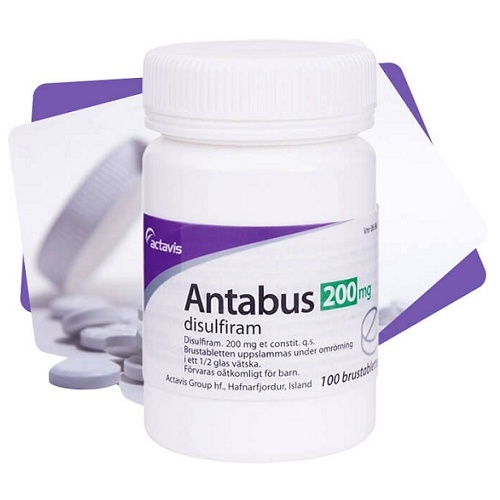
- Tablets: Typically white/off-white, round, may be scored and embossed with dose and manufacturer’s code.
- Packaging: U.S. prescription packaging has the name “Disulfiram” or “Antabuse,” lot number, expiration date, and manufacturer details.
- Security features: Some brands use tamper-evident seals or QR codes. U.S. pharmacies may print prescription details directly on the bottle/box.
Red flags for counterfeits: Unusually low prices, misspelled product or manufacturer names, absence of U.S. pharmacy labeling, requests to pay outside standard payment systems, or shipment from outside the United States.
What about generics?
Generic Disulfiram is FDA-approved and widely available in the United States. Generics are required to have the same active ingredient, strength, dosage form, and therapeutic effect as the original Antabuse.
Key difference: Non-active ingredients (excipients) may vary, potentially affecting people with allergies or sensitivities. If you have known allergies, ask your pharmacist for a full ingredient list.
Bottom line: Always buy from a U.S.-licensed pharmacy to ensure authenticity, whether brand or generic.
Special Populations: Safety in Specific Patient Groups
- Elderly: More sensitive to side effects, particularly confusion, falls, and liver toxicity. Start at lower doses and monitor closely.
- Pregnancy & Breastfeeding: Not recommended. Disulfiram crosses the placenta and is excreted in breast milk. Potential risks to fetus or infant.
- Liver/Kidney disease: Contraindicated in severe impairment due to increased toxicity risk.
- Driving/Operating Machinery: Disulfiram may cause drowsiness or impair mental alertness. Do not drive or operate heavy machinery until you know how Antabuse affects you, especially in the early weeks.
- Mental Health Disorders: Use with caution in those with a history of depression, anxiety, or psychosis. Regular mental health follow-up is essential.
- Family Planning: No evidence of effect on fertility, but avoid use in pregnancy/breastfeeding as above.
Empathy note: Alcohol dependence is a treatable medical condition that affects millions in the United States. Treatment often requires a combination of medication, counseling, and ongoing support. You’re not alone—recovery is possible, and help is available.
What to Do in Case of an Antabuse Overdose
- Stop taking Antabuse immediately.
- Call 911 or your local emergency number.
- Inform medical staff of the exact dose and time of ingestion.
- Do not attempt to “wait it out”—overdose can cause seizures, respiratory depression, unconsciousness, and even death.
- If possible, bring the medication bottle or packaging to the emergency department for identification.
Prompt medical attention improves the chances of full recovery. Supportive care and monitoring may be necessary in an intensive care setting.
Frequently Asked Questions About Antabuse
- Can Antabuse be used daily?
- Yes. Most patients take it once daily, but your doctor may adjust the schedule to match your needs and lifestyle.
- How soon after stopping alcohol can I start Antabuse?
- You must be alcohol-free for at least 12 hours, preferably 24 hours, before starting to avoid severe reactions.
- How long does Antabuse stay in the body?
- The effects can persist for up to 14 days after the last dose due to slow clearance from the body.
- Is it safe to buy Antabuse online?
- Only from licensed, NABP-verified U.S. pharmacies with a valid prescription. Buying from other sources is illegal and unsafe.
- Can Antabuse cure alcohol dependence?
- No. Antabuse is a tool to deter drinking but does not treat the underlying causes of alcohol addiction. Behavioral therapy is strongly recommended along with medication.
- Are there any foods or medicines I should avoid?
- Avoid all alcohol-containing products, and always review new medications with your provider or pharmacist for potential interactions.
- What are the signs of a severe reaction?
- Severe reactions include chest pain, confusion, difficulty breathing, fainting, or seizures. Seek emergency medical help immediately if these occur.
References
- U.S. Food and Drug Administration. Antabuse (Disulfiram) Label, Section: Highlights of Prescribing Information. Accessed June 2026. https://www.accessdata.fda.gov/drugsatfda_docs/label/2023/006826s065lbl.pdf
- Jonas DE, Amick HR, Feltner C, et al. Pharmacotherapy for Adults With Alcohol Use Disorder in Outpatient Settings: A Systematic Review and Meta-analysis. JAMA. 2014;311(18):1889-1900. https://jamanetwork.com/journals/jama/fullarticle/1860070
- Mayo Clinic. Disulfiram (Oral Route) Description and Brand Names. Accessed June 2026. https://www.mayoclinic.org/drugs-supplements/disulfiram-oral-route/description/drg-20068182
- National Institute on Alcohol Abuse and Alcoholism. Alcohol Use Disorder: A Comparison Between Medications Used for Treatment. Accessed June 2026. https://www.niaaa.nih.gov/alcohols-effects-health/treatment-alcohol-use-disorder
- Litten RZ, Wilford BB, Falk DE, et al. Development of Medications for Alcohol Use Disorders: Recent Advances and Ongoing Challenges. CNS Drugs. 2016;30(4):293-311. https://pubmed.ncbi.nlm.nih.gov/27004932/
