
- Home/
- Buy Glucophage Online in the United States Safely and Easily
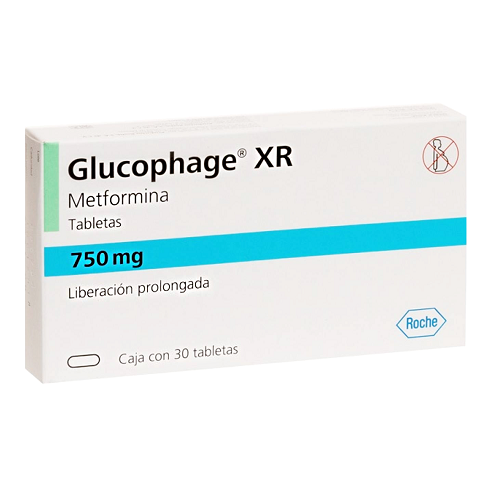
Glucophage (Metformin) in the United States: The Ultimate Patient’s Guide 2026
Key Takeaways: Glucophage at a Glance
- Active Ingredient: Metformin hydrochloride
- Prescription: Required in the United States
- Main Use: First-line therapy for Type 2 Diabetes Mellitus
- Common Dose Range: 500–2000 mg/day, divided into 2–3 doses
- Main Contraindication: Severe kidney impairment (eGFR < 30 mL/min/1.73 m2)
- Onset of Effect: Within days; full metabolic impact after 1–2 weeks
- Available as: Immediate-release and extended-release tablets
- Side Effects: Most commonly GI upset; rare risk of lactic acidosis
- Insurance Coverage: Covered by Medicare, Medicaid, and most private insurers
- Cost (2026): Generics typically $4–$20/month with insurance, up to $25–$60/month without
- Can You Get Glucophage Without a Prescription in the United States?
- No, you cannot legally obtain Glucophage (metformin) without a doctor’s prescription in the United States. Federal law classifies metformin as a prescription-only medicine due to the need for medical supervision and regular monitoring of kidney function and blood glucose. Purchasing metformin without a valid prescription is illegal and potentially dangerous.
How Does Glucophage Work? Pharmacology and Mechanism of Action Explained
Glucophage’s active ingredient, metformin hydrochloride, is classified as a biguanide antihyperglycemic agent. Its primary action is the reduction of hepatic glucose production (gluconeogenesis), and it also increases insulin sensitivity in peripheral tissues (muscle and fat). In plain language: it helps your body use insulin more effectively and reduces the amount of sugar your liver releases into your bloodstream.
- At the cellular level, metformin inhibits mitochondrial respiratory-chain complex I, decreasing ATP production and activating AMP-activated protein kinase (AMPK). This leads to decreased synthesis of glucose in the liver.
- Metformin also slows intestinal absorption of glucose — meaning fewer “sugar spikes” after meals.
- Importantly, metformin does not cause insulin secretion and therefore does not usually lead to hypoglycemia when used alone.
Metaphor: Imagine your liver as a “sugar factory” working overtime in Type 2 Diabetes. Glucophage tells the factory to slow down, while also making it easier for your muscles to use up stored sugar for energy.
Myth vs Reality: Myth: Glucophage works instantly. Reality: While some people notice lower blood sugar within a few days, full benefits may take up to two weeks.
According to a 2023 meta-analysis (see references), metformin significantly reduced average blood sugar (HbA1c) by 1.0–1.5% compared to placebo, confirming its status as the first-line drug in U.S. and international diabetes guidelines.
How Should You Take Glucophage? Dosage, Timing, and Administration
| Formulation | Starting Dose (Adults) | Maximum Dose (per day) | Typical Dosing Frequency | Can Tablet Be Split? |
|---|---|---|---|---|
| Immediate-Release | 500 mg once or twice daily with meals | 2550 mg (in 2–3 doses) | 2–3 times/day | Yes (if scored) |
| Extended-Release (XR) | 500 mg once daily with dinner | 2000 mg (rarely up to 2500 mg) | Once daily (or divided) | No (should not be split/crushed) |
- Start low, go slow: Most providers begin with 500 mg once daily to minimize gastrointestinal side effects, increasing by 500 mg every 1–2 weeks if tolerated.
- Take with food: Always take Glucophage with meals to reduce stomach upset.
- Never exceed the maximum recommended dose, as this increases the risk of lactic acidosis.
- Kidney function should be checked at least annually, or more often if you’re over 65 or have renal impairment.
- Extended-release tablets must be swallowed whole; do not crush or chew.
- Dose adjustments may be required for elderly patients, those with reduced kidney/liver function, or after surgery/illness.
Bottom line: Always follow your doctor’s instructions regarding dosing and monitoring. Never change your dose without medical advice.
Interactions: Food, Alcohol, and Lifestyle Factors
| Product / Factor | Compatible with Glucophage? | Potential Consequence |
|---|---|---|
| High-fat meals | Yes (preferred) | Slows absorption; reduces GI side effects |
| Grapefruit juice | Yes | No known interaction |
| Alcohol | Strongly discouraged | Increases risk of lactic acidosis & hypoglycemia |
| Physical exercise | Yes (beneficial) | Improves effectiveness |
| Other diabetes medications | Often combined | Monitor for hypoglycemia |
- Alcohol warning: Even moderate use (more than 1–2 standard drinks/day) can increase the risk of lactic acidosis, a rare but potentially fatal complication. Complete abstinence is strongly advised, especially in people with kidney or liver issues.
- No food is strictly forbidden with Glucophage. Taking it with meals reduces upset stomach and diarrhea.
- Regular exercise is encouraged and complements metformin’s effect.
- Grapefruit juice does not interact with Glucophage. Unlike some other medications, there is no need to avoid it.
What it can do: Glucophage helps manage blood sugar but works best as part of an overall healthy lifestyle.
What it cannot do: It is not a substitute for diet and exercise. It will not cure diabetes or allow unrestricted eating.
Who Should Not Use Glucophage? Absolute and Relative Contraindications
- Absolute Contraindications (Never Use):
-
- Severe kidney impairment (eGFR <30 mL/min/1.73 m2) – high risk of metformin accumulation and lactic acidosis.
- Acute or chronic metabolic acidosis (including diabetic ketoacidosis and lactic acidosis, even with coma).
- Severe liver disease – impaired drug clearance.
- Known hypersensitivity to metformin or any excipients.
- Current or recent (within 48 hours) use of intravascular iodinated contrast agents.
- Alcohol abuse or heavy drinking.
- Relative Contraindications (Use With Caution):
-
- Mild to moderate renal impairment (eGFR 30–45) – typically requires lower dose, close monitoring.
- Congestive heart failure (especially if unstable or on oxygen therapy).
- Age over 80 years (unless normal kidney function is confirmed).
- Severe infection, dehydration, or shock – may temporarily withhold metformin during illness.
- Pregnancy: Not FDA-approved for use in pregnancy (use only if benefit outweighs risk).
Why these restrictions? The main danger is lactic acidosis, a rare but life-threatening buildup of lactic acid in the blood, especially in those with poor kidney or liver function.
What Side Effects Are Most Common With Glucophage?
Side effects with Glucophage are generally mild and decrease over time. Most people experience some digestive upset, especially when starting or increasing the dose. Below, side effects are grouped according to frequency (WHO classification).
- Very Common (>1 in 10):
- Diarrhea
- Nausea, vomiting
- Abdominal pain or cramping
- Loss of appetite
- Common (1 in 10 to 1 in 100):
- Metallic taste in mouth
- Flatulence (gas)
- Mild weight loss
- Rare (1 in 1,000 to 1 in 10,000):
- Lactic acidosis (emergency! symptoms: deep, rapid breathing, severe fatigue, muscle pain, abdominal pain, confusion)
- Low vitamin B12 levels (with long-term use)
- Skin rash or allergic reactions
- Very Rare (<1 in 10,000):
- Liver dysfunction
- Severe hypoglycemia (usually only when combined with other diabetes drugs)
What should you do if you experience side effects?
- If mild (nausea, diarrhea): Take with meals, reduce dose, or ask your doctor about switching to extended-release.
- If severe (breathing problems, confusion, muscle pain): Stop the medication and seek emergency medical attention immediately.
- For persistent GI symptoms, consult your provider. Dosage adjustment or temporary discontinuation may be necessary.
How Does Glucophage Compare to Alternative Diabetes Medications?
Glucophage (metformin) remains the most widely used first-line treatment for Type 2 Diabetes, but several other oral and injectable medications are available. Here’s how Glucophage stacks up against main competitors:
| Medication | Onset of Effect | Duration | Main Side Effects | Cost (2026, uninsured) |
|---|---|---|---|---|
| Glucophage (Metformin) | Days to weeks | 12–24 hours per dose | GI upset, rare lactic acidosis | $4–$60/month |
| Sulfonylureas (e.g., glipizide) | Hours | 12–24 hours | Hypoglycemia, weight gain | $5–$40/month |
| DPP-4 inhibitors (e.g., sitagliptin) | Days | 24 hours | Upper respiratory symptoms, rare pancreatitis | $200–$400/month |
| GLP-1 agonists (e.g., semaglutide) | Days to weeks | Varies (weekly to daily) | Nausea, vomiting, weight loss | $900–$1,200/month |
| Insulin (various types) | Minutes to hours | Varies | Hypoglycemia, weight gain | $60–$400/month |
Summary: Glucophage is affordable, effective, and has a long safety record. It does not cause weight gain or hypoglycemia when used alone. However, it is not suitable for everyone (kidney/liver impairment) and does not work instantly.
Key Characteristics Table: Glucophage vs Leading Alternatives
| Parameter | Glucophage (Metformin) | Sulfonylurea (Glipizide) |
GLP-1 Agonist (Semaglutide) |
|---|---|---|---|
| Prescription Requirement | Yes | Yes | Yes |
| Weight Impact | Neutral or modest loss | Gain | Loss |
| Risk of Hypoglycemia | Low (unless combined) | High | Low |
| Insurance Coverage (U.S.) | Widespread | Widespread | Variable; often restricted |
| Monthly Cost (2026) | $4–$60 | $5–$40 | $900–$1,200 |
Step-by-Step: How to Obtain Glucophage Legally in the United States
- Consult a Qualified Healthcare Provider: Schedule an appointment with a primary care provider, endocrinologist, or certified telehealth service licensed in your state.
- Medical Assessment: Your provider will evaluate your symptoms, medical history, kidney/liver function, and perform relevant lab tests (including eGFR and fasting blood sugar).
- Prescription Issuance: If Glucophage is indicated, your doctor will provide a prescription. This may be a paper script or sent electronically to your preferred pharmacy.
- Pharmacy Fulfillment: Present the prescription at a local or a licensed U.S. online/mail-order pharmacy. Verify the pharmacy’s credentials via the National Association of Boards of Pharmacy “.pharmacy” program.
- Insurance Processing: Most major insurers (Medicare, Medicaid, private) cover metformin. Copays vary from $0 to $20/month for generics.
- Medication Pick-Up/Delivery: Collect your medication in person or arrange for delivery (where allowed by state law). Maintain all packaging and patient information leaflets.
- Ongoing Monitoring: Regularly follow up with your provider for bloodwork and dose adjustments.
Tip: Telemedicine is widely available and legal in all 50 states as of 2026. Many U.S.-based online pharmacies require both a valid prescription and a pharmacist consultation before dispensing Glucophage.
Is It Legal to Buy Glucophage Online in the United States?
Yes, but only through state-licensed pharmacies with a valid prescription. The U.S. Food and Drug Administration (FDA) and the Drug Enforcement Administration (DEA) strictly prohibit sale of prescription drugs without a doctor’s order.
- Check for the “.pharmacy” verification seal.
- Be wary of online stores that do not require a prescription or advertise “no-prescription-needed” metformin. Such sources may sell counterfeit, substandard, or even dangerous pills.
- Importing prescription medicines from outside the United States, even for personal use, is generally illegal and risky.
Bottom line: For your safety, always use licensed pharmacies and never share prescription medication.
How to Recognize Genuine vs Counterfeit Glucophage
- Packaging: U.S.-approved Glucophage comes in blister packs or white HDPE bottles, with lot number, NDC code, and FDA-compliant labeling in English.
- Tablet Appearance: Tablets are typically white, round or oval, often scored, and marked with “BMS” or “500/850/1000” (depending on dose) for branded Glucophage. Generics vary but must have distinct imprints traceable via the FDA’s National Drug Code (NDC) directory.
- Anti-Counterfeit Features: Some manufacturers include holograms, QR codes, or unique serial numbers. Always scan or check any codes via the manufacturer’s official website when available.
- Warning Signs: Extremely low price, non-English packaging, missing patient leaflet, or purchase from unverified online sellers are strong indicators of counterfeit products.
- Generics: FDA-approved generics are equivalent but may look slightly different in color, shape, or packaging. Active ingredient, efficacy, and safety must be identical by law.
If in doubt, ask your pharmacist or contact the FDA MedWatch program to verify authenticity.
What Should You Do in Case of Glucophage Overdose?
- Stop the medication immediately.
- Call 911 or your local emergency services in the United States, especially if you experience rapid breathing, muscle pain, confusion, or vomiting.
- Inform paramedics and hospital staff of the exact medication and dose taken.
- Bring the original packaging if possible.
- Hospital treatment may involve supportive care, intravenous fluids, and sometimes hemodialysis if severe lactic acidosis develops.
Never attempt to “wait out” severe symptoms. Lactic acidosis is rare but potentially fatal. Early medical intervention saves lives.
Special Patient Groups: Elderly, Children, Pregnancy & Breastfeeding
- Elderly (>80 years): Use only if kidney function is confirmed normal (eGFR). Dose reductions may be required. The risk of lactic acidosis is higher in this group.
- Children: Immediate-release metformin is FDA-approved for children aged 10 and older with Type 2 Diabetes. Extended-release products may have different age restrictions.
- Pregnancy: Not officially FDA-approved for gestational diabetes, but often used off-label (especially in women with polycystic ovary syndrome). Discuss risks and benefits carefully with your provider.
- Breastfeeding: Metformin passes into breast milk in small amounts. Most guidelines allow cautious use, but long-term effects are not fully established.
- Driving and Machinery: Glucophage does not impair alertness, but hypoglycemia risk increases if combined with insulin or sulfonylureas. Always monitor your blood sugar before operating vehicles or heavy machinery.
- Fertility: May improve fertility in women with insulin resistance (such as PCOS), but not a fertility medication per se.
Original vs Generic Glucophage: What’s the Difference?
- Active Ingredient: FDA-approved generics contain the same metformin hydrochloride, strength, and efficacy as branded Glucophage.
- Excipients: Inactive ingredients (binders, coatings) may differ slightly; rare allergic reactions are possible. Check the patient leaflet or ask your pharmacist if you have known allergies.
- Cost: Generics are usually much less expensive ($4–$20/month vs $30–$60/month for brand-name).
- Insurance: U.S. insurers usually require substitution with generics unless specified otherwise by your doctor.
- Quality: All generics must meet the same safety and efficacy standards as Glucophage, tested and overseen by the FDA.
Bottom line: If you are prescribed generic metformin, you can expect the same clinical effects as the original brand.
Expert Insights: What Patients Should Know Before Starting Glucophage
“For most newly diagnosed adults with Type 2 Diabetes, Glucophage is my first recommendation. It’s effective, time-tested, and affordable. That said, I always emphasize that no medication replaces a healthy diet and regular physical activity. If you have any kidney or liver issues, or drink alcohol frequently, we must carefully discuss risks. And remember, almost everyone experiences some stomach upset at first—but this usually improves within a couple of weeks.”
- Many patients fear starting medication, but the majority tolerate Glucophage well and appreciate the improvement in blood sugar control—and sometimes modest weight loss.
- It’s normal to feel anxious about making a change. Diabetes is a common, manageable condition. You are not alone, and support is available—both medical and psychological.
- If you have concerns about cost, generics provide the same benefits at a lower price, and patient assistance programs may be available through insurers or manufacturers.
Frequently Asked Questions (FAQ)
- Can Glucophage be used daily?
- Yes, Glucophage is intended for daily use, typically divided into 2–3 doses (immediate-release) or taken once daily (extended-release).
- Is a prescription required for Glucophage in the United States?
- Yes, you need a doctor’s prescription to legally obtain Glucophage in the U.S.
- What should I do if I miss a dose?
- Take the missed dose as soon as you remember, unless it’s near the time for your next dose. Never double up. Consult your healthcare provider for guidance if unsure.
- Can I drink alcohol while taking Glucophage?
- Alcohol use is strongly discouraged due to increased risk of lactic acidosis. Avoid drinking alcohol to stay safe.
- Does Glucophage cause low blood sugar (hypoglycemia)?
- Not usually when taken alone, but risk increases if combined with insulin or other diabetes drugs.
- Is Glucophage safe in pregnancy?
- It’s not FDA-approved for pregnancy, but sometimes used under close doctor supervision. Discuss all options with your provider.
- How quickly will I see results?
- Blood sugar often improves within days, but full effects may take 1–2 weeks. HbA1c drops are usually seen at 2–3 months.
- What should I do if Glucophage doesn’t work for me?
- See your provider. They may check your dose, adherence, or consider combination therapy or alternative medications.
- How do I know if my Glucophage is genuine?
- Check packaging, tablet engravings, and use only licensed pharmacies. If unsure, ask your pharmacist or use the FDA NDC database.
- Can Glucophage be used for prediabetes or weight loss?
- It’s sometimes used off-label for prediabetes or weight management, but only under medical supervision and not as a primary weight loss drug.
References
- American Diabetes Association. Standards of Medical Care in Diabetes—2026. https://diabetesjournals.org/care/article/49/Supplement_1/S1/154474/Standards-of-Care-in-Diabetes-2026
- U.S. Food and Drug Administration (FDA). Metformin Label. https://www.accessdata.fda.gov/drugsatfda_docs/label/2023/020357s074lbl.pdf
- Davies MJ, et al. Management of Hyperglycemia in Type 2 Diabetes, 2023. Diabetologia. https://pubmed.ncbi.nlm.nih.gov/37583421/
- National Institute of Diabetes and Digestive and Kidney Diseases (NIDDK). Metformin. https://www.niddk.nih.gov/health-information/diabetes/overview/managing-diabetes/medication/metformin
- U.S. National Library of Medicine. DailyMed: Metformin Hydrochloride. https://dailymed.nlm.nih.gov/dailymed/drugInfo.cfm?setid=3ba9e8c8-1a5d-4b65-8b5c-4c30e8b7f3f7
- National Association of Boards of Pharmacy. Safe .Pharmacy Sites. https://safe.pharmacy/buy-safely/
