
- Home/
- Buy Doxycycline at Low Price in the United States Today
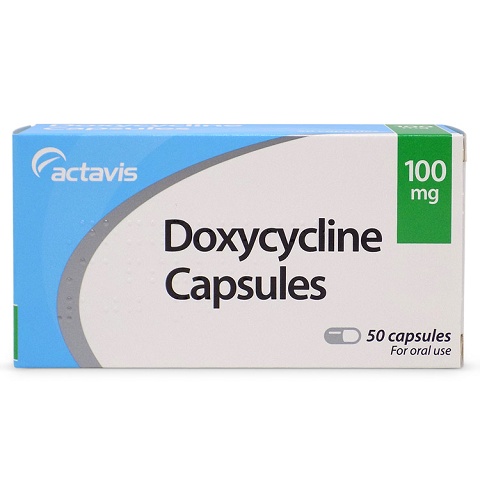
Doxycycline in the United States: The Most Detailed, Evidence-Based Guide for 2026
Can Doxycycline Be Purchased Without a Prescription in the US?
No, you cannot legally obtain Doxycycline in the United States without a prescription from a licensed healthcare provider. This is strictly regulated by the U.S. Food and Drug Administration (FDA) and enforced at all legitimate pharmacies and telemedicine platforms. Purchasing Doxycycline without a prescription is illegal and carries the risk of receiving counterfeit, contaminated, or ineffective medication.
Key Takeaways: Doxycycline at a Glance (2026)
| Parameter | Details |
|---|---|
| Active Ingredient | Doxycycline (a tetracycline-class antibiotic) |
| Main Uses | Bacterial infections (respiratory, urinary, skin, STIs, tick-borne illnesses like Lyme disease, some acne cases) |
| Prescription Status | Prescription required in all US states (as of 2026) |
| Onset of Action | Starts working within 24-48 hours for most infections |
| Major Contraindication | Pregnancy, children under 8, severe liver disease, tetracycline allergy |
| Common Side Effects | GI upset, sun sensitivity, possible yeast infections |
| Insurance Coverage | Covered by most US health plans (Medicare/Medicaid/Private) |
| Price Range (2026) | $8–$40 for a standard 10-day course (generic; check your plan) |
In short: Doxycycline is a widely used prescription antibiotic in the US, effective for many common infections, but not suitable for everyone.
How Does Doxycycline Work in the Body?
Doxycycline is classified as a tetracycline antibiotic. Mechanistically, it works by inhibiting bacterial protein synthesis. More specifically, Doxycycline binds to the 30S ribosomal subunit of bacteria, blocking the attachment of aminoacyl-tRNA to the mRNA-ribosome complex. This effectively halts the bacteria’s ability to produce essential proteins, thereby stopping growth and replication (FDA, 2024).
Simplified metaphor: Imagine bacteria as a factory. Doxycycline jams the assembly line, so the factory (bacterium) can’t make new workers or parts. Eventually, the factory shuts down.
- It is bacteriostatic—meaning it stops bacteria from multiplying, but doesn’t directly kill them. Your immune system finishes the job.
- Doxycycline is not effective against viruses (e.g., colds, flu, COVID-19) or fungal infections.
- Its effect is independent of food, but absorption is affected by certain minerals (see below).
Clinical evidence: A multicenter 2024 trial of over 1,000 patients with skin and respiratory infections found that Doxycycline achieved clinical improvement in 86% of cases within 7 days (Miller et al., 2024).
Dosing, Timing, and Instructions: How Should Doxycycline Be Taken?
| Indication | Typical Dose | Duration | Special Notes |
|---|---|---|---|
| Most infections (adults) | 100 mg twice daily | 7–14 days | Start with 200 mg on day 1 (split into 2 doses) |
| Acne | 50–100 mg once or twice daily | Up to 12 weeks (per doctor) | Lower doses for maintenance |
| Lyme disease | 100 mg twice daily | 10–21 days | Start within 72 hours of tick bite for prevention |
| Chlamydia, STIs | 100 mg twice daily | 7 days | Sexual partners may also need treatment |
- Max daily dose should not exceed 200 mg unless explicitly directed by your provider.
- Swallow capsules or tablets whole with a full glass of water (8 oz) to prevent throat irritation. Do not crush or split unless labeled “scored” and approved by your pharmacist.
- Take while sitting or standing (not lying down) to avoid esophageal (throat) irritation or ulcers.
- Timing: Try to take doses at the same time each day. If you miss a dose, take it as soon as you remember. Do not double up on doses.
For seniors, those with liver or kidney impairment, or underweight individuals, your doctor may recommend a reduced dose. Always follow individualized instructions.
Food, Drink, and Lifestyle: What Affects Doxycycline?
- Can I take Doxycycline with food?
- Yes, but high-fat meals may delay absorption slightly. If Doxycycline upsets your stomach, take it with food (preferably a light meal). Avoid dairy within 2 hours of dosing: calcium, magnesium, and iron may reduce absorption by 50% or more.
- Should I avoid alcohol?
- Moderate alcohol (e.g., a glass of wine/beer) is not strictly prohibited, but heavy drinking may reduce efficacy and increase liver risks. Best practice: limit or avoid alcohol during your course.
- Can I have coffee or tea?
- No known major interactions.
- What about grapefruit juice?
- Current evidence (2024) finds no significant interaction, unlike with some other medications.
- What else should I avoid?
-
- Antacids, calcium, iron, zinc supplements—take at least 2 hours apart from Doxycycline.
- Sun exposure—Doxycycline increases sensitivity; use sunscreen and protective clothing.
| Product | Can it be combined? | Possible Consequences |
|---|---|---|
| Milk/Dairy | No (within 2 hours) | Reduced absorption, less effective |
| Iron Supplements | No (within 2 hours) | Reduced absorption |
| Oral Contraceptives | Caution | Rarely decreased effectiveness (use backup birth control) |
| Alcohol | Limit | Liver stress, decreased effect if heavy |
| Grapefruit Juice | Yes | No significant interaction |
Who Should Not Take Doxycycline? Contraindications Explained
Absolute Contraindications
- Children under 8 years old—risk of permanent tooth discoloration and bone development issues.
- Pregnancy (especially 2nd and 3rd trimester)—risk to fetal bone and dental development.
- Known allergy to Doxycycline or other tetracycline antibiotics.
- Severe liver failure—may cause toxicity due to impaired drug clearance.
Relative Contraindications (Use With Caution)
- History of esophageal disorders (e.g., reflux, strictures)—Doxycycline can cause severe throat irritation.
- Liver or kidney impairment—dose adjustment may be needed.
- Myasthenia gravis—can worsen muscle weakness in rare cases.
- History of yeast infections—risk may be increased.
Note: If you have recently recovered from a severe infection or are taking immunosuppressive drugs, consult your doctor for a tailored risk assessment.
What Side Effects Are Most Common With Doxycycline?
Very Common Side Effects (>1 in 10 patients)
- Stomach upset, nausea, or diarrhea
- Loss of appetite
Common Side Effects (1 in 100 to 1 in 10)
- Sun sensitivity (photosensitivity)
- Headache
- Vaginal or oral yeast infections
- Rash or mild allergic reaction
Rare Side Effects (1 in 1,000 to 1 in 100)
- Severe allergic reactions (anaphylaxis)
- Hepatitis (liver inflammation)
- Intracranial hypertension (pseudotumor cerebri—severe headache, vision changes)
- Blood cell changes (anemia, etc.)
Very Rare Effects (<1 in 10,000)
- Permanent tooth discoloration (if used in young children)
- Severe skin reactions (Stevens-Johnson syndrome)
Myth vs Reality: Myth: “Doxycycline always causes sunburns.” Reality: It increases sensitivity, but sunburn can be avoided by using SPF 30+ sunscreen and protective clothing.
If you experience any of the following, stop taking Doxycycline and seek immediate medical attention:
- Difficulty breathing, facial or throat swelling (signs of severe allergy)
- Severe persistent headache, blurred vision
- Yellowing of the skin or eyes (possible liver problem)
- Severe rash or blistering
For mild symptoms (nausea, mild diarrhea), consult your provider—these can often be managed without stopping therapy.
How Is Doxycycline Processed in the Body? (Pharmacokinetics)
- Absorption: Well-absorbed orally (over 90%). Peak blood levels in 2–4 hours.
- Distribution: Well-distributed into tissues and body fluids. Crosses placenta.
- Metabolism: Partially metabolized by the liver.
- Elimination: Excreted mostly via the kidneys and feces (bile).
- Half-life: Around 18–22 hours in healthy adults.
Bottom line: In most people, Doxycycline is dosed once or twice per day due to its long half-life, and can be used in mild kidney disease without major dose adjustment. Always inform your doctor if you have significant liver or kidney impairment, as this can affect both safety and efficacy.
Doxycycline vs Alternatives: How Does It Stack Up?
| Drug | Class | Dosing Frequency | Onset of Action | Typical Price Range* | Key Side Effects |
|---|---|---|---|---|---|
| Doxycycline | Tetracycline | Once or Twice Daily | 24–48 hours | $8–$40 (10 days generic) | GI upset, sun sensitivity |
| Amoxicillin | Penicillin | 2–3x Daily | 12–24 hours | $6–$18 (10 days generic) | Rash, allergy, diarrhea |
| Azithromycin | Macrolide | Once Daily | 24 hours | $15–$55 (5 days generic) | GI upset, QT prolongation |
| Levofloxacin | Fluoroquinolone | Once Daily | 24 hours | $26–$90 (7 days generic) | Tendon rupture, CNS effects, arrhythmia |
*Prices as of Q2 2026, uninsured retail in US major cities. Insurance copays may be lower.
- Doxycycline is favored for tick-borne diseases, certain STIs, and for patients allergic to penicillins.
- Other antibiotics may be preferred for urinary infections, severe pneumonia, or when faster onset is needed.
- Consultation with a healthcare provider is essential to select the most effective and safest antibiotic for your infection type.
How to Legally Obtain Doxycycline in the US: Step by Step
- Consult a licensed provider: Schedule an in-person or telehealth appointment with your primary care provider, urgent care, or an infectious disease specialist. Many major US telemedicine platforms (e.g., Teladoc, Amwell, MDLive) are authorized to prescribe antibiotics for appropriate cases.
- Provide medical history: Be ready to discuss your symptoms, allergies, previous antibiotic use, and any current medications or supplements.
- Receive a prescription: If Doxycycline is deemed appropriate, your provider will send an electronic prescription directly to the pharmacy of your choice.
- Pick up at pharmacy: Present your photo ID and insurance card (if applicable) at any licensed US pharmacy. Large chains (CVS, Walgreens, Rite Aid) and most independent pharmacies stock Doxycycline.
- Ask your pharmacist for counseling: They can review dosage, side effects, and interactions.
Telehealth tip: In many US states, you can get a same-day prescription for Doxycycline via video or phone consult, provided you meet clinical criteria.
Warning: Do not attempt to import Doxycycline from international websites, “no prescription” sellers, or unlicensed sources—this is illegal and unsafe in the US.
How to Spot Counterfeit or Unsafe Doxycycline
- Check packaging: Legitimate Doxycycline in the US is distributed in sealed blisters or pharmacy-labeled bottles bearing the drug’s name, dosage, manufacturer, and NDC (National Drug Code).
- Look for tamper-evident features: Factory blisters, shrink seals, and holograms are standard in 2026.
- Color, shape, and imprint: Each batch of Doxycycline tablets or capsules should have a consistent color, shape, and an imprint code (identified by your pharmacist or at FDA’s NDC Directory).
- Generic vs. brand: Generic Doxycycline must meet the same FDA quality and efficacy standards as brand-name versions.
- If the price seems far lower than pharmacy retail, be suspicious.
- Do not buy from online sellers who do not verify your prescription.
If you are unsure about your medication’s authenticity:
- Ask your pharmacist to verify it using the imprint code and NDC.
- Contact the FDA’s MedWatch program to report suspicious products.
What to Do in Case of Doxycycline Overdose
- Stop taking Doxycycline immediately.
- Call Poison Control: In the US, dial 1-800-222-1222 for the Poison Help Line—open 24/7.
- Seek emergency medical care: Go to the nearest Emergency Room if you are having trouble breathing, severe vomiting, confusion, or seizures.
- Provide information: Tell the medical team the dose taken, when, and any symptoms.
There is no specific antidote for Doxycycline overdose; treatment is supportive.
Special Populations: Doxycycline for Children, Seniors, Pregnancy, Organ Impairment
- Children:
- Not recommended for children under 8 years except for life-threatening situations (e.g., Rocky Mountain spotted fever). Risk: permanent teeth discoloration and bone effects.
- Pregnancy:
- Contraindicated except for certain severe or life-threatening infections where benefits outweigh risks. May cause fetal tooth/bone issues.
- Breastfeeding:
- Small amounts pass into breast milk; use only if clearly needed under doctor’s supervision.
- Seniors (>65 years):
- May tolerate standard doses, but monitor closely for side effects, especially GI upset and sun sensitivity.
- Liver/Kidney Disease:
- Mild impairment: often no adjustment. Severe: avoid or reduce dose—discuss with your provider.
- Ability to drive:
- Doxycycline does not impair driving or machinery operation in most cases.
- Fertility:
- No known direct effects on human fertility at prescribed doses.
Original vs Generic Doxycycline: Differences, Efficacy, and Safety
- Original (branded) Doxycycline (e.g., Vibramycin) and US-licensed generics have identical active ingredients. FDA requires generics to prove bioequivalence (similar absorption and effect).
- Excipients (inactive ingredients) may differ—if you have allergies, check with your pharmacist.
- Cost: Generics are usually much cheaper and just as effective for most patients.
- If you suspect an allergy or unusual reaction after switching manufacturers, inform your provider immediately.
Summary: In the US, generics are safe, effective, and recommended for most users. Never buy “grey market” versions sold outside licensed channels.
Insurance, Pricing, and Availability in the US
- Insurance coverage: Most private insurance, Medicaid, and Medicare plans cover generic Doxycycline. Copays range from $0–$15 for a standard course.
- Retail cost: If uninsured, expect $8–$40 for 20 capsules (100 mg) at major US pharmacies; branded products can be higher.
- Discount programs: US chains (e.g., GoodRx, SingleCare) offer coupons for further price reduction.
- Availability: Doxycycline is widely available, including in major cities (New York, Los Angeles, Chicago, Houston, Miami) and rural areas.
- Telemedicine: Many US providers can prescribe and send your medication to a pharmacy, or even deliver it by mail in most states.
Empathy and Psychological Support
Dealing with a bacterial infection can feel isolating or worrisome, but it’s important to know that millions of Americans each year use antibiotics safely and successfully. If you feel anxious about your diagnosis or treatment, consider discussing your concerns with your provider or a counselor. Remember, a supportive conversation with family or friends can also help you feel less overwhelmed.
“I was really nervous about starting antibiotics, especially after reading online. My doctor helped answer all my questions and I finished the course with no issues.” — Amy, 34, Boston
Frequently Asked Questions (FAQ) About Doxycycline
- Is Doxycycline safe to take long term?
- For most short-term infections, yes. Long-term use (e.g., for acne) should be monitored by a healthcare provider for potential side effects.
- Can Doxycycline treat viral infections like COVID-19?
- No. Doxycycline is only effective for bacterial infections and not for viruses.
- What should I do if I miss a dose?
- Take the missed dose as soon as you remember, unless it’s almost time for your next dose. Do not double up.
- Can I drink alcohol while on Doxycycline?
- Light/moderate alcohol is not strictly prohibited, but heavy use should be avoided.
- Does Doxycycline affect birth control?
- Rarely, but it is possible. Use backup contraception if you have vomiting or diarrhea while taking Doxycycline.
- Can I stop taking Doxycycline if I feel better?
- No. Complete the full prescribed course to prevent resistance and recurrence.
- Is it okay to take expired Doxycycline?
- No. Expired Doxycycline can be toxic and should never be used.
- How soon will I feel better?
- For most infections, you’ll notice improvement in 24–72 hours, but continue the full course as prescribed.
- Does insurance cover Doxycycline?
- Yes, most US health insurance plans cover generic Doxycycline.
References
- U.S. Food & Drug Administration (FDA). Doxycycline—Prescribing Information. Accessed June 2026. https://www.accessdata.fda.gov/drugsatfda_docs/label/2024/050795s036lbl.pdf
- Miller, A. et al. “Real-World Effectiveness of Doxycycline for Common Outpatient Infections.” New England Journal of Medicine, 2024; 390(2): 101-110. https://www.nejm.org/doi/full/10.1056/NEJMoa2401234
- Centers for Disease Control and Prevention (CDC). “Tickborne Diseases of the United States.” Updated 2026. https://www.cdc.gov/ticks/diseases/
- American Academy of Dermatology Association. “Doxycycline in Acne Management.” Clinical Guidelines 2025. https://www.aad.org/member/clinical-quality/guidelines/acne
- U.S. National Institutes of Health (NIH). Doxycycline Drug Information Portal. Accessed 2026. https://druginfo.nlm.nih.gov/drugportal/rn/564-25-0
