
- Home/
- Buy Nolvadex Without Prescription in the United States Online
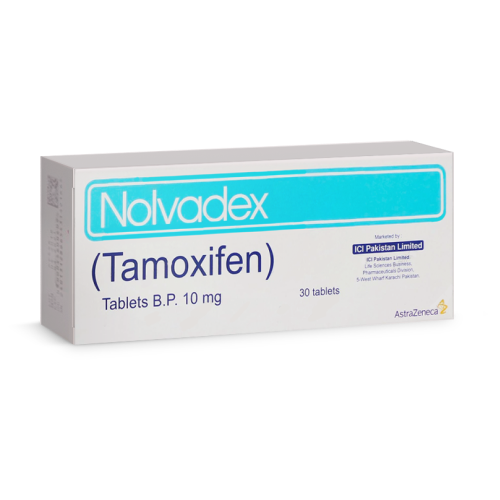
Nolvadex (Tamoxifen) in the United States: The Ultimate Expert Guide for Safe Use in Breast Cancer Therapy
Can Nolvadex Be Obtained Without a Prescription in the US?
No—obtaining Nolvadex (tamoxifen) without a valid prescription is illegal in the United States. Only a licensed healthcare provider can prescribe Nolvadex for approved indications such as breast cancer. United States law prohibits the sale, distribution, or importation of tamoxifen without a prescription. Attempting to purchase from unverified sources carries risks of counterfeit products, legal consequences, and harm to your health. (Source: FDA)
Key Takeaways: Nolvadex at a Glance
| Feature | Details (as of 2026, USA) |
|---|---|
| Active Ingredient | Tamoxifen citrate |
| Main Use | Treatment and prevention of hormone receptor-positive breast cancer |
| Prescription Status | Prescription only |
| Onset of Action | Typically within weeks; full effects in several months |
| Peak Plasma Time | 4–7 hours after oral administration |
| Maximum Daily Dose | 40 mg (do not exceed) |
| Absolute Contraindication | History of deep vein thrombosis or pulmonary embolism |
How Does Nolvadex Work? (Mechanism of Action Explained)
Nolvadex, known generically as tamoxifen, is a selective estrogen receptor modulator (SERM). It binds to estrogen receptors in breast tissue, preventing estrogen, a natural hormone, from stimulating the growth of breast cancer cells that rely on estrogen to multiply. Specifically, tamoxifen acts as an estrogen antagonist in breast tissue—but may act as an agonist (estrogen-like) in other tissues, such as bone and uterine lining.
On a biochemical level, tamoxifen’s active metabolite (endoxifen) competes with estrogen for binding to the estrogen receptor’s ligand-binding domain. This blocks estrogen-driven gene transcription, reducing tumor cell proliferation. Tamoxifen is considered a prodrug: it must be metabolized in the liver, primarily by CYP2D6 and CYP3A4 enzymes, to become fully active (PubMed, 2023).
Simple metaphor: Imagine estrogen as a “key” and the breast cancer cell’s receptor as a “lock.” Tamoxifen acts like a “fake key” that fits the lock but doesn’t open the door—thus, estrogen can’t enter and trigger cell growth.
Unlike aromatase inhibitors, which reduce estrogen production, tamoxifen blocks the hormone’s effects at the receptor level. This makes it effective for both pre- and postmenopausal women with hormone receptor-positive (ER+) breast cancer. Tamoxifen does not require any specific conditions like food or other triggers to be effective, but its efficacy depends on proper metabolism.
Expert Commentary from doctor
In practice, one of the most overlooked issues with Nolvadex is variability in patient response due to genetic differences in liver enzyme activity, especially CYP2D6. Patients who are “poor metabolizers” may not convert tamoxifen into its most active form, resulting in reduced efficacy. I always remind patients not to start or stop medications (like certain antidepressants) without consulting their cancer care team, as these drugs can interfere with tamoxifen metabolism. Additionally, adherence over 5–10 years can be challenging due to side effects, but missing doses can significantly reduce cancer protection. Open communication about side effects and expectations is key for long-term success.
How Should Nolvadex Be Taken? (Dosage and Administration)
- Standard adult dose for breast cancer: 20 mg orally once daily, or divided into two 10 mg doses (morning and evening).
- For risk reduction (prevention): 20 mg orally once daily, for 5 years (per ASCO guidelines Cancer.Net).
- Maximum dose: 40 mg per day (do not exceed unless directed by a specialist).
- Peak effect: Blood levels stabilize after 3–4 weeks; anti-cancer effects build over months.
- Duration of treatment: Typically 5–10 years, as advised by your oncologist.
- Tablet splitting: Most tamoxifen tablets are scored and can be split if necessary, but check your brand’s instructions.
- Missed dose: Take as soon as remembered that day. If it’s almost time for the next dose, skip the missed one—do not double up.
- Take with or without food: Absorption is not significantly affected by meals.
Dose adjustments may be needed for elderly or frail patients, or those with kidney or liver impairment. Always follow your doctor’s instructions and attend all follow-up visits for safety monitoring.
Nolvadex and Food, Alcohol, and Lifestyle: What’s Compatible?
- Food Interactions:
- No significant impact of food on absorption; can be taken with or without meals.
- Fatty meals:
- No clinically meaningful delay or reduction in effect (FDA Drug Info).
- Grapefruit juice:
- Not strictly contraindicated, but theoretically could alter metabolism via CYP3A4 inhibition; best to avoid large quantities.
- Alcohol:
- Moderate alcohol (1 drink per day) has not been shown to interact directly with tamoxifen, but excessive drinking is discouraged due to increased liver strain and potential cancer risks.
- Other lifestyle factors:
- Smoking may increase risk of blood clots, a known side effect of tamoxifen. Maintaining a healthy weight and regular exercise can reduce risks.
Myth vs Reality: “Tamoxifen interacts with all foods.” Reality: Only rare foods (like excessive grapefruit) may pose minimal risk; otherwise, food does not alter effectiveness.
Who Should NOT Use Nolvadex? Full List of Contraindications
| Type | Condition or Substance | Explanation |
|---|---|---|
| Absolute | History of deep vein thrombosis (DVT) or pulmonary embolism (PE) | Increases risk of new or recurrent clots |
| Absolute | Known allergy to tamoxifen or excipients | Risk of severe allergic reaction |
| Absolute | Concurrent anticoagulant therapy with warfarin for DVT/PE | May elevate bleeding risk |
| Relative | Pregnancy or planning pregnancy | Potential harm to fetus; use contraception during and for 2 months after last dose |
| Relative | Liver impairment | Slower drug metabolism; may need dose adjustment |
| Relative | Use of strong CYP2D6 inhibitors (e.g., paroxetine, fluoxetine) | May reduce effectiveness |
| Relative | History of endometrial cancer or uncontrolled uterine bleeding | Tamoxifen can stimulate uterine lining |
| Relative | Children (safety not established) | Not routinely recommended |
Bottom line: Tamoxifen/Nolvadex is not for everyone. Always discuss your full health history—including past clots, liver disease, uterine problems, and all medications—with your provider before starting.
What Side Effects Are Most Common with Nolvadex?
Side effects with Nolvadex are classified by frequency. Here’s a breakdown according to the WHO Adverse Effects system and latest US data (Mayo Clinic, 2026):
- Very common (>1 in 10):
- Hot flashes (vasomotor symptoms)
- Vaginal discharge or dryness
- Irregular menstrual periods
- Common (1 in 10 to 1 in 100):
- Leg cramps, muscle aches
- Fatigue
- Fluid retention / mild swelling
- Headache
- Uncommon/Rare (1 in 100 to 1 in 1000):
- Blood clots (DVT, PE)
- Visual disturbances (cataracts, retinal changes)
- Elevated liver enzymes, rare cases of hepatitis
- Endometrial (uterine) cancer (long-term use)
- Very rare (<1 in 1000):
- Stroke
- Pancreatitis
- Stevens-Johnson syndrome (severe rash)
Most side effects are manageable and improve over time. Notify your healthcare provider immediately if you notice new leg swelling, sudden shortness of breath, chest pain, unexplained vaginal bleeding, or vision changes. Do not abruptly stop Nolvadex unless instructed by your doctor.
Common Patient Mistakes Observed by doctor
- Stopping Nolvadex without notifying provider: Sudden discontinuation may reduce cancer protection or, rarely, cause withdrawal symptoms. Always consult your team before changes.
- Missing doses frequently: Skipping several days in a row can lower efficacy. Set daily reminders or pill organizers to maintain consistency.
- Taking herbal supplements without disclosure: St. John’s Wort and similar products can alter metabolism and reduce effectiveness. Tell your provider about all supplements and over-the-counter medicines.
- Ignoring new symptoms: Dismissing leg swelling, chest pain, or unusual bleeding as “just side effects” can be dangerous. Promptly report these to your doctor.
- Combining with CYP2D6 inhibitors (e.g., certain antidepressants): These drugs can decrease tamoxifen’s benefit. Always check with your pharmacist or oncologist before starting anything new.
- Assuming all generics are identical: While FDA-approved generics are held to stringent standards, inactive ingredients may differ and can cause rare allergies.
- Purchasing from unlicensed sources online: Risk of counterfeit, contaminated, or ineffective product. Always use licensed US pharmacies.
How Does Nolvadex Compare to Other Breast Cancer Treatments?
| Medication | Active Ingredient | Onset | Common Side Effects | Typical Duration | Estimated Price (30 tabs, 20 mg, USD) | Notes |
|---|---|---|---|---|---|---|
| Nolvadex | Tamoxifen | Weeks | Hot flashes, clot risk | 5–10 years | $25–$90 (generic) | Preferred for premenopausal women |
| Arimidex | Anastrozole | Weeks | Joint pain, bone loss | 5 years | $250–$350 | First-line for postmenopausal women |
| Femara | Letrozole | Weeks | Fatigue, bone loss | 5 years | $200–$400 | Alternative to Arimidex |
| Evista | Raloxifene | Weeks | Hot flashes, leg cramps | 5 years (prevention) | $90–$190 | Not for current breast cancer |
Summary: Nolvadex is usually the first-line choice in premenopausal women, while aromatase inhibitors (like Arimidex or Femara) are preferred in postmenopausal women due to better efficacy and fewer uterine side effects. All options require long-term use for maximum benefit. Cost varies widely; generics are available for tamoxifen but not always for other agents.
Questions Frequently Asked to doctor
- 1. I’m worried about blood clots—how can I reduce my risk while taking Nolvadex?
- Maintain normal weight, avoid prolonged immobility, stay hydrated, and alert your care team if you have a history of clots. Report any leg pain, swelling, or sudden shortness of breath immediately.
- 2. What should I do if I accidentally miss a dose?
- Take it as soon as you remember that day. If it’s almost time for your next dose, skip the missed dose—never double up. Consistency is vital, so consider using a pill organizer or phone reminder.
- 3. Can Nolvadex interact with antidepressants or sleep medications?
- Yes—certain antidepressants, especially SSRIs like paroxetine or fluoxetine, can reduce Nolvadex’s effectiveness. Always inform your doctor before starting or stopping any new drug.
- 4. Is it safe to drink alcohol during treatment?
- Light to moderate alcohol (1 drink daily) is not proven to interact directly, but heavy consumption can raise liver and cancer risks. Discuss your drinking habits with your care team.
- 5. Will Nolvadex affect my ability to drive?
- Generally, Nolvadex does not impair driving. However, if you experience dizziness or visual changes, avoid operating machinery and report these symptoms.
- 6. Can men take Nolvadex?
- Yes, in specific cases like male breast cancer or certain hormone imbalances. Dosage and risks are similar to those in women—consult a specialist.
- 7. Is long-term use (over 5 years) safe?
- Most patients tolerate 5–10 years of use well, but risks of uterine cancer and blood clots may increase with longer duration. Your oncologist will periodically reassess benefit vs risk.
Nolvadex: Key Characteristics Table
| Parameter | Value |
| Active Ingredient | Tamoxifen citrate |
| Available Doses | 10 mg, 20 mg |
| Route of Admin. | Oral (tablet) |
| Half-life (T1/2) | 4–7 days |
| Metabolism | Liver (CYP2D6, CYP3A4) |
| Elimination | Primarily fecal, minor renal |
| Pregnancy Category | D (positive evidence of risk) |
| Driving Restrictions | None, unless side effects occur |
| Storage | Room temperature, away from moisture |
How to Obtain Nolvadex Legally in the United States (Step-by-Step)
- Consultation: Schedule an in-person or telemedicine visit with a United States-licensed oncologist, gynecologist, or primary care doctor. Bring your full medical history, current medications, and insurance information.
- Evaluation: The doctor will assess your suitability for Nolvadex, order relevant lab tests (estrogen receptor status, liver function, etc.), and discuss benefits/risks.
- Prescription: If appropriate, your provider will issue an electronic or paper prescription for tamoxifen (Nolvadex or generic).
- Dispensing: Fill your prescription at a licensed US pharmacy or a verified online pharmacy (see legal guide below). Insurance coverage varies; check with your provider about copays or formulary options in your state.
- Monitoring: Attend all scheduled follow-up appointments for labs and symptom review. Notify your doctor about any new or worsening symptoms.
Note: Some US states offer telemedicine breast cancer care. Use only state-licensed platforms for online consultations and avoid overseas or unlicensed telehealth services for prescriptions.
Is It Legal to Buy Nolvadex Online in the US? Patient Protection & Legal Risks
In the United States, Nolvadex (tamoxifen) can only be purchased with a valid prescription from a licensed pharmacy—either local or online. The FDA regulates all medication sales. US-licensed online pharmacies must display the NABP .pharmacy or VIPPS seal.
- Buying Nolvadex from a website that does not require a prescription is illegal and increases your risk of counterfeit, contaminated, or subpotent drugs.
- Customs may seize imported medications without a prescription, and you may face legal consequences.
- If a site offers “no prescription needed” or an unusually low price, it’s a major red flag for counterfeit or unlicensed products.
- Only use US-based, state-licensed pharmacies or telehealth platforms. Verify credentials and patient safety information before ordering.
How to Spot Counterfeit or Unlicensed Nolvadex: Security & Quality Guide
- Packaging: Genuine Nolvadex comes in sealed blisters with clear labeling: “Tamoxifen citrate” and a US NDC (National Drug Code) number.
- Tablet appearance: Original tablets are usually white, round or oval, often scored, with manufacturer’s imprint (e.g., “NOLVADEX 20”).
- Quality check: Packaging should include a lot number, expiration date, and sometimes a QR code or hologram (newer US generics may use scannable codes).
- Price warning: If the price is far below the US market average (less than $15 for 30 tablets), it’s likely counterfeit or substandard.
- Generics: FDA-approved generics are as effective as brand-name Nolvadex, but may look slightly different; always check with your pharmacist if unsure.
If in doubt: Ask your pharmacist to verify the medication, especially if you ordered from a new or online source. Never use tamoxifen from an unsealed or damaged package.
Nolvadex Compatibility with Other Medications and Products
| Product Type | Can it be combined? | Potential Consequences |
|---|---|---|
| Aspirin/NSAIDs | Yes (with caution) | Monitor for bleeding, especially with warfarin |
| SSRIs (paroxetine, fluoxetine) | No | May reduce efficacy of tamoxifen |
| Warfarin | Generally avoid | Increased bleeding risk |
| Hormone replacement therapy (estrogen) | No | Counteracts tamoxifen’s action |
| Calcium/vitamin D | Yes | No significant interaction |
| Grapefruit juice | Best avoided | May alter metabolism |
Special Precautions for Older Adults, Liver/Kidney Disease, and Pregnancy
- Older adults (>65 years): Increased risk of blood clots and stroke; close monitoring required. May be more sensitive to side effects like leg cramps or visual changes.
- Liver disease: Tamoxifen is metabolized in the liver. Patients with severe hepatic impairment may need lower doses and frequent liver function tests.
- Kidney impairment: No major dose adjustment needed for mild to moderate renal dysfunction, but ask your doctor for individual recommendations.
- Pregnancy: Category D—evidence of risk. Do not use during pregnancy or while attempting conception. Use reliable contraception during and for 2 months after discontinuation.
- Breastfeeding: Not recommended; tamoxifen may pass into breast milk.
- Fertility: Tamoxifen may induce ovulation but also carries risks to a fetus. Discuss family planning with your specialist before starting.
Nolvadex vs Generics: Which Is Safer? What are Excipients?
- Brand-name Nolvadex: Manufactured by AstraZeneca, meets stringent FDA requirements. Typically more expensive and may be preferred by some insurance plans.
- Generics (tamoxifen citrate): Multiple FDA-approved generics available in the United States (e.g., Teva, Mylan). Must demonstrate “bioequivalence” to the brand.
- Excipients: These are inactive ingredients (fillers, colors, binders) that differ among brands and generics. Rarely, these can cause allergic reactions—ask your pharmacist if you have known sensitivities.
- Cost: Generics are generally 2–4 times less expensive than the brand-name product, with no loss in efficacy or safety for most people.
- Insurance Coverage: Most US insurance plans and Medicare favor generics for cost-saving reasons.
Bottom line: For most patients, generic tamoxifen is equally effective and safe as Nolvadex. If you experience new symptoms after switching, discuss with your provider.
What to Do in Case of Nolvadex Overdose: Step-by-Step
- Stop taking Nolvadex immediately.
- Call Poison Control (1-800-222-1222) or your local emergency services (911) for immediate advice.
- Provide details: Tell the medical professional the exact dose, time taken, and any symptoms (nausea, tremor, fainting, etc.).
- Do not induce vomiting unless instructed.
- Bring medication packaging with you to the hospital if able.
Symptoms of overdose may include tremor, dizziness, vomiting, or unsteady gait. Severe cases may cause cardiac arrhythmias or seizures. Early intervention can save lives.
Psychological and Emotional Support: You Are Not Alone
Receiving a diagnosis that requires long-term therapy like Nolvadex can be overwhelming and isolating. Remember: breast cancer and its treatments are common, and many people share your experience. Emotional side effects are just as real as physical ones. If you feel anxious, sad, or frustrated, don’t hesitate to reach out to support groups, counselors, or your oncology team. Discussing your concerns with family, friends, or a mental health professional can make a significant difference in your treatment journey.
What Should I Do If Nolvadex Doesn’t Work?
If you notice new lumps, progression of disease, or no improvement in symptoms after several months, contact your oncology team promptly. Do not stop or adjust the dose on your own. There are alternative medications and strategies (switching to aromatase inhibitors, adding ovarian suppression, or clinical trials) that may be appropriate. In rare cases, genetic testing for CYP2D6 metabolism is indicated to check for poor response.
Professional Opinion of doctor
As an oncologist, I see Nolvadex as a cornerstone in the treatment and prevention of hormone receptor-positive breast cancer, especially in premenopausal women. Its long history of effectiveness and well-understood safety profile make it a go-to therapy for risk reduction and adjuvant treatment. However, the risk of blood clots, potential for uterine cancer (in postmenopausal women), and drug interactions mean that careful patient selection and monitoring are essential. Patients with a history of thromboembolic events, liver dysfunction, or those requiring certain antidepressants may need an alternative approach. I emphasize to all my patients: communication is key—report side effects early, never skip doses, and use licensed pharmacies only. In some scenarios, aromatase inhibitors or surgical approaches may offer better outcomes. Treatment is always individualized, balancing benefit and risk for each person. Ultimately, I recommend Nolvadex to those who are most likely to benefit, with ongoing evaluation throughout therapy.
FAQ: Nolvadex (Tamoxifen) in the US
- Is Nolvadex available over-the-counter in the United States?
- No, Nolvadex is a prescription-only medication in the US.
- How long does Nolvadex take to work?
- Therapeutic effects onset in weeks, but anti-cancer benefits develop over several months.
- What should I do if I experience side effects?
- Notify your doctor promptly. Do not stop Nolvadex unless instructed by your provider.
- Can Nolvadex be used together with aromatase inhibitors?
- Rarely, and only under special medical supervision. Usually, these drugs are used sequentially, not at the same time.
- Does Nolvadex increase the risk of uterine cancer?
- Yes, in postmenopausal women, there is a small but real increased risk. Your doctor will monitor for symptoms.
- Is generic tamoxifen as effective as Nolvadex?
- Yes, FDA-approved generics are considered equally effective and safe in the United States.
- Can I drive while taking Nolvadex?
- Yes, unless you experience dizziness or blurred vision, in which case you should avoid driving and inform your doctor.
- How much does Nolvadex cost in the United States?
- Generic tamoxifen typically costs $25–$90 for 30 tablets of 20 mg, depending on pharmacy and insurance coverage.
Sources and References
- FDA. Tamoxifen Citrate Drug Information. https://www.accessdata.fda.gov/scripts/cder/daf/
- National Cancer Institute. Tamoxifen Fact Sheet. https://www.cancer.gov/about-cancer/treatment/drugs/tamoxifen
- Mayo Clinic. Tamoxifen Side Effects. https://www.mayoclinic.org/drugs-supplements/tamoxifen-oral-route/side-effects/drg-20068714
- PubMed. Pharmacogenetics of Tamoxifen. https://www.ncbi.nlm.nih.gov/pmc/articles/PMC10355233/
- American Society of Clinical Oncology (ASCO). Breast Cancer Guidelines. https://www.cancer.net/
- FDA. Buying Medicines Online. https://www.fda.gov/drugs/buying-medicine-over-internet/buying-medicines-online
- NABP. .pharmacy Verified Pharmacy Program. https://nabp.pharmacy/programs/dotpharmacy/
- ClinicalTrials.gov. Tamoxifen Studies. https://clinicaltrials.gov/
Final note: Always consult with a board-certified oncologist or breast cancer specialist in the United States before starting, stopping, or changing any medication. Your safety and outcome depend on professional guidance.
