
- Home/
- Buy Propecia in Online Pharmacy for United States Customers
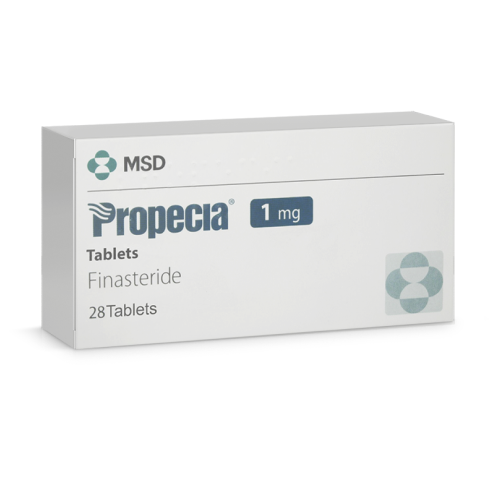
Table of Contents
- Is Propecia Available Without a Prescription in the United States?
- Summary: Key Facts About Propecia
- How Does Propecia Work to Treat Hair Loss?
- Expert Commentary from doctor
- How Should Propecia Be Taken? Dosage and Administration
- What Should I Know About Food, Alcohol, and Lifestyle With Propecia?
- Who Should Not Take Propecia? Contraindications and Warnings
- What Side Effects Are Most Common With Propecia?
- Common Patient Mistakes Observed by doctor
- How Does Propecia Compare With Alternatives?
- Questions Frequently Asked to doctor
- Key Characteristics: Propecia At a Glance
- How to Obtain Propecia Legally in the United States: Step-by-Step Guide
- Is It Legal to Purchase Propecia Online in the United States?
- How Can I Identify Genuine Propecia and Avoid Counterfeits?
- Are Generics of Propecia Effective and Safe?
- How Is Propecia Processed in the Body? (Pharmacokinetics Explained)
- What Should Specific Patient Groups Know About Propecia?
- Dealing With Hair Loss: It’s More Than Just Medication
- What Should I Do If I Overdose On Propecia?
- Professional Opinion of doctor
- Frequently Asked Questions (FAQ)
- References
Is Propecia Available Without a Prescription in the United States?
No, Propecia (finasteride) requires a valid prescription from a licensed healthcare provider in the United States. It is illegal and unsafe to purchase Propecia without a prescription.
Summary: Key Facts About Propecia
| Parameter | Details |
|---|---|
| Active ingredient | Finasteride 1 mg |
| Indication | Male pattern hair loss (androgenetic alopecia) in adult men |
| Prescription status | Prescription-only in United States |
| Onset of effect | Typically after 3–6 months of continuous use |
| Main contraindication | Women and children; pregnancy risk; certain liver disorders |
| Availability | Original (Propecia) and FDA-approved generics |
| Typical price | $70–$120/month (varies by pharmacy, insurance coverage, and location) |
- Propecia does not cure hair loss—its effects persist only with continued use.
- Stopping the drug leads to reversal of hair growth benefits within 12 months.
- Insurance may not cover Propecia, as it is considered a cosmetic treatment.
- Self-medication is strongly discouraged due to possible side effects and safety risks.
How Does Propecia Work to Treat Hair Loss?
Propecia contains finasteride, which is classified as a type II 5-alpha-reductase inhibitor. In simple terms, this means it blocks the activity of a specific enzyme in the body—5-alpha-reductase type II—that converts testosterone into dihydrotestosterone (DHT). High levels of DHT in scalp hair follicles cause them to shrink, shorten their growth phase, and eventually stop producing normal hair in genetically susceptible men.
By inhibiting 5-alpha-reductase, Propecia lowers scalp and blood DHT levels by up to 60–70%, which helps slow or partially reverse the miniaturization of hair follicles. This effect does not occur overnight; measurable results are typically seen after 3–6 months of daily use, with maximum benefit at 12 months. If finasteride is discontinued, DHT levels quickly rebound, and hair loss resumes.
Simplified metaphor: Think of each hair follicle as a small factory. DHT acts like a corrosive agent, gradually damaging the machinery. Propecia turns down the production of this damaging agent, giving the “factory” a chance to repair itself and resume normal hair output—as long as the intervention continues.
Unlike topical treatments (like minoxidil), Propecia works systemically and requires internal metabolism to be effective. It does not stimulate new hair growth in completely bald areas or reverse all stages of hair loss.
Expert Commentary from doctor
In my practice, one of the most frequent misconceptions I encounter is the expectation of rapid hair regrowth—often within weeks. Patients are surprised to learn that visible benefits typically don’t appear until several months of consistent, daily use. Many stop treatment prematurely, believing the medication “isn’t working,” when, in reality, hair follicles require time to recover. Another common issue is missing doses or taking the drug irregularly, which reduces its efficacy. Finally, some patients purchase the medication from unverified online vendors, exposing themselves to counterfeit products or inappropriate dosing. I advise clear communication with your prescriber and obtaining Propecia only from licensed U.S. pharmacies to ensure both safety and optimal outcomes.
How Should Propecia Be Taken? Dosage and Administration
Standard adult dose: 1 mg (one tablet) by mouth once daily, with or without food. The tablet should be swallowed whole—do not crush or split, as contact with the active ingredient may be harmful, especially to women who are or may become pregnant.
Propecia should be taken at the same time every day for best results. Skipping doses or irregular use significantly reduces effectiveness. The maximum recommended daily dose is 1 mg; higher doses do not increase hair growth and may raise the risk of side effects.
- Elderly patients (>65 years): No routine dose adjustment, but efficacy may be reduced based on age-related hair loss patterns.
- Liver impairment: Caution is advised; consult your provider for risk assessment as finasteride is metabolized in the liver.
- Missed dose: Take as soon as possible on the same day. Do not double up on the next dose.
- Duration: Hair regrowth typically begins after 3–6 months; discontinuation leads to loss of benefits within 12 months.
What Should I Know About Food, Alcohol, and Lifestyle With Propecia?
- Food and absorption
- Propecia is equally effective with or without food. High-fat meals do not significantly impact absorption or efficacy.
- Alcohol
- No direct interaction is known between moderate alcohol use and Propecia. However, chronic heavy drinking can worsen hair loss and liver function—discuss with your provider if you drink regularly.
- Grapefruit juice
- Unlike some medications, Propecia does not interact with grapefruit juice. You do not need to avoid it.
- Lifestyle factors
- Combining Propecia with other hair loss strategies (such as minoxidil) may enhance results. Stress management and avoiding hair-damaging practices can also support treatment.
| Product/Activity | Can It Be Combined? | Consequences |
|---|---|---|
| Alcohol (moderate) | Yes | No direct interaction |
| Grapefruit juice | Yes | No relevant effect |
| Minoxidil topical | Yes | May enhance hair regrowth |
| Testosterone therapy | With caution | May reduce Propecia effect |
| Pregnancy (partner) | NO | Can cause fetal harm; avoid handling tablets |
Who Should Not Take Propecia? Contraindications and Warnings
Absolute Contraindications
- Women (especially if pregnant or may become pregnant): Risk of birth defects if exposed to crushed or broken tablets.
- Children and adolescents: Safety and effectiveness not established.
- Known hypersensitivity to finasteride or excipients.
Relative Contraindications / Use with Caution
- Significant liver impairment: As finasteride is processed by the liver, dose adjustments or monitoring may be needed.
- History of prostate cancer: Propecia may affect PSA blood test results and mask early detection; inform your provider.
- Use with testosterone replacement: May reduce efficacy of Propecia.
- Myth: Any adult man can safely use Propecia.
- Reality: Only men with male pattern baldness—without other contraindications—should consider it after consultation with a specialist.
If you have recently had a heart attack, stroke, or major surgery, consult your physician before starting Propecia. No evidence currently exists of increased risk, but close monitoring may be necessary.
What Side Effects Are Most Common With Propecia?
| Frequency | Side Effects | Mechanism/Notes |
|---|---|---|
| Very Common (>1 in 10) | None reported | Clinical trials: No very common effects |
| Common (1–10%) |
|
Likely due to reduced DHT and hormonal modulation |
| Uncommon (0.1–1%) |
|
May be reversible upon stopping |
| Rare (<0.1%) |
|
Monitor for persistent changes |
Most side effects resolve after stopping the medication. However, persistent sexual side effects have been reported in rare cases (“post-finasteride syndrome”), though these remain controversial in the scientific community. If you experience breast lumps, nipple discharge, severe depression, or allergic symptoms, discontinue Propecia and consult a healthcare provider immediately.
What to do if you experience side effects: Stop the medication and promptly seek medical advice. Most effects are reversible, but early assessment is critical.
References: FDA, Mayo Clinic
Common Patient Mistakes Observed by doctor
- Stopping too soon: Many patients discontinue Propecia after 1–2 months, expecting quick results. In reality, 3–6 months are needed for visible changes.
- Purchasing from unverified online sources: Some patients seek cheaper “deals” and end up with counterfeits that may be ineffective or dangerous.
- Irregular dosing: Missing days or taking the tablet at widely varying times diminishes benefit.
- Failing to inform their provider of all medications: Drug interactions, though rare, can occur—always disclose your complete list.
- Sharing medication: Offering tablets to others (especially women) can lead to severe adverse events, including birth defects.
- Ignoring mental health changes: Some patients dismiss depressive symptoms or sexual changes, hoping they’ll resolve. Early discussion with your doctor is essential.
To avoid these pitfalls, maintain open communication with your healthcare provider, purchase only from licensed U.S. pharmacies, and adhere strictly to the prescribed regimen.
How Does Propecia Compare With Alternatives?
| Medication | Active Ingredient (Dose) | Onset of Effect | Key Side Effects | Cost (USD/month) | Prescription Required? |
|---|---|---|---|---|---|
| Propecia | Finasteride 1 mg | 3–6 months | Sexual dysfunction, mood changes | $70–$120 | Yes |
| Minoxidil topical | Minoxidil 5% (foam/liquid) | 4–6 months | Scalp irritation, itching | $20–$50 | No |
| Dutasteride (off-label) | Dutasteride 0.5 mg | 3–6 months | Similar to finasteride, higher risk sexual side effects | $80–$140 | Yes |
| Hair transplantation | — | Immediate (post-procedure) | Surgical risks, cost | $4000–$15,000 (one-time) | No |
Bottom line: Propecia is the only oral FDA-approved option for male pattern hair loss; minoxidil is topical and does not require a prescription. Dutasteride is more potent but not FDA-approved for this indication. Hair transplantation is permanent but costly and not covered by insurance.
Questions Frequently Asked to doctor
- 1. Will Propecia work if my hair loss is advanced?
- Propecia is most effective in men with mild to moderate hair loss. If areas are completely bald or shiny, regrowth is unlikely. The earlier you start, the better your outcome.
- 2. Can I combine Propecia with other hair loss treatments?
- Yes, topical minoxidil can be safely used alongside Propecia for potentially improved results. Always discuss with your provider before starting any new combination.
- 3. What should I do if I miss a dose?
- Take the missed dose as soon as you remember that same day. If it’s the next day, skip the missed dose—do not double up.
- 4. Is it safe to take Propecia for years?
- Long-term safety data (over 5 years) show no increase in serious adverse events when monitored regularly. Notify your provider of any new symptoms during prolonged use.
- 5. Will I lose my hair if I stop Propecia?
- Yes, any regrowth or maintenance benefit is usually lost within 12 months of discontinuing the medication.
- 6. Can young men under 18 use Propecia?
- No. Safety and effectiveness are not established for those under 18. Use is restricted to adult men with androgenetic alopecia.
- 7. Will Propecia affect my ability to have children?
- Some studies suggest a temporary reduction in semen volume, but no robust evidence of long-term fertility issues. Discuss any concerns with your urologist, especially if actively trying to conceive.
Key Characteristics: Propecia At a Glance
| Generic Name | Finasteride |
| Brand Names (US) | Propecia, Finasteride (generic) |
| Formulation | Oral tablet, 1 mg |
| Prescription? | Yes, mandatory by law |
| Usual Dose | 1 mg daily |
| Time to Effect | 3–6 months for visible change |
| Insurance Coverage | Rare, usually out-of-pocket |
| Manufacturer | Merck (original), multiple generic manufacturers |
How to Obtain Propecia Legally in the United States: Step-by-Step Guide
- Consult a qualified specialist. Schedule an in-person or telehealth appointment with a U.S.-licensed dermatologist or primary care provider experienced in hair loss treatment. Large cities (e.g., New York, Los Angeles, Chicago) offer both local and virtual options.
- Medical evaluation. The provider will review your medical history, examine your scalp, and rule out other causes of hair loss (e.g., thyroid disease, nutritional deficiencies).
- Prescription. If appropriate, your provider will issue a prescription, either electronically (e-prescribe) or as a paper script, valid at any licensed pharmacy throughout the U.S.
- Fill your prescription at a licensed pharmacy. You may use a local chain, independent pharmacy, or a U.S.-licensed online/mail-order pharmacy (such as those verified by NABP).
- Monitor and follow up. Schedule regular follow-ups with your provider to assess efficacy and side effects. Do not continue or stop treatment without medical guidance.
Important: Do not purchase from sites offering Propecia without a prescription or from overseas vendors mailing unregulated products to the U.S.—these are not safe and may be illegal.
Is It Legal to Purchase Propecia Online in the United States?
Yes, but only from a U.S.-licensed pharmacy that requires a valid prescription. Verified online pharmacies will ask for your doctor’s prescription and will not dispense Propecia otherwise. Purchasing from unlicensed or foreign websites is both illegal and dangerous—risks include counterfeit products, customs seizure, and lack of recourse for side effects.
- Look for VIPPS accreditation or check with the National Association of Boards of Pharmacy for pharmacy legitimacy.
- Never use a website that does not require a prescription—this is a red flag for counterfeits.
How Can I Identify Genuine Propecia and Avoid Counterfeits?
- Packaging: Original Propecia is sold in blister packs with the Merck logo, batch number, and expiration date.
- Tablet: Film-coated, tan, marked “PROPECIA” on one side and “MSD 72” on the reverse.
- Security features: Some U.S. packaging includes a QR code or hologram for authentication.
- Price: Significantly below-market prices are often a sign of counterfeiting.
- Pharmacy: Only purchase from a licensed U.S. pharmacy; avoid offers from overseas or prescription-free sellers.
If in doubt, ask your pharmacist to verify the product. Suspected counterfeit products should be reported to the U.S. FDA’s MedWatch program.
Are Generics of Propecia Effective and Safe?
After the original patent for Propecia expired, FDA-approved generic finasteride 1 mg tablets became widely available in the U.S.—commonly labeled as “finasteride.” Generics must meet the same standards of bioequivalence, efficacy, and safety as the branded product. Inactive ingredients (excipients) may differ, rarely causing allergic reactions in sensitive individuals.
- Advantages: Substantially lower price, same clinical benefit.
- Disadvantages: Differences in pill appearance, possible variation in inactive components.
- What to do: If you have allergies to certain dyes or fillers, review the ingredient list with your pharmacist before switching to a generic.
Bottom line: For most users, generic finasteride is a safe, effective, and cost-saving alternative to brand-name Propecia when sourced from a licensed pharmacy.
How Is Propecia Processed in the Body? (Pharmacokinetics Explained)
After oral administration, finasteride is absorbed rapidly and reaches peak blood concentrations within 1–2 hours. It is extensively metabolized in the liver (by CYP3A4 enzymes), and its breakdown products are eliminated primarily via urine and feces. The plasma half-life (T1/2) is approximately 6–8 hours in younger adults and up to 8 hours in the elderly.
- Liver disease: Use with caution—slower metabolism may increase blood levels.
- Kidney disease: No major adjustment needed for mild/moderate impairment, but severe cases require specialist oversight.
These properties mean that Propecia is generally taken once daily, with effects lasting throughout the dosing interval. Accumulation is rare with standard dosing, but overdosing may increase risk of side effects.
What Should Specific Patient Groups Know About Propecia?
- Men aged 18–65: Main target group; standard dosing applies.
- Elderly (>65): Efficacy may be diminished due to advanced hair loss; safety profile generally unchanged.
- Liver impairment: Use only after specialist evaluation.
- Chronic kidney disease: No major dose adjustment for mild/moderate stages; severe cases need monitoring.
- Men seeking fertility: Temporary reduction in semen volume possible; discuss with your doctor if actively trying to conceive.
- Driving and machinery: No evidence of impairment, but rare cases of dizziness or fatigue have been reported.
- Women and children: Strictly contraindicated. Handling broken tablets can cause fetal harm in pregnant women.
Dealing With Hair Loss: It’s More Than Just Medication
Hair loss is a common and often distressing condition—affecting millions of men across the United States. If you’re struggling with confidence, self-esteem, or emotional distress, know that you’re not alone. Many find it helpful to discuss concerns with a healthcare provider, therapist, or support group alongside exploring medical treatments. Addressing psychological well-being can be just as important as physical approaches.
What Should I Do If I Overdose On Propecia?
Step 1: Stop taking further doses immediately.
Step 2: Contact your doctor, local poison control center (Poison Help: 1-800-222-1222), or emergency services if severe symptoms occur.
Step 3: Report the amount ingested, when, and any symptoms (e.g., dizziness, swelling, palpitations).
Symptoms to watch for: No life-threatening effects reported with overdose, but large amounts may increase risk of hormonal side effects or allergic reactions.
Do not attempt to induce vomiting or treat overdose without medical advice.
Professional Opinion of doctor
In my experience, Propecia is best suited to men in the early to moderate stages of androgenetic alopecia who want a medical therapy with a well-established safety profile and scientific backing. It is not a miracle cure, but for select patients, it can slow hair loss and restore follicle health when used consistently under medical supervision. The main trade-off is the risk of sexual side effects; most are mild and reversible but can be distressing. Propecia is not appropriate for men with significant liver disease, for women, or for those with certain urologic histories. Alternatives—like topical minoxidil or surgical hair transplantation—may be preferable if medication fails or side effects are intolerable. The key is individualized care and a realistic understanding of what Propecia can and cannot do.
Frequently Asked Questions (FAQ)
Can Propecia be purchased without a prescription in the United States?No, a prescription is required by law for Propecia in the U.S.
How long does it take to see results from Propecia?
Typically, visible changes appear after 3–6 months of consistent daily use.
What happens if I stop taking Propecia suddenly?
Any hair regrowth or maintenance is usually lost within 12 months of discontinuation.
Is it safe to buy Propecia from overseas or online without a prescription?
No, this is illegal and poses serious risks of counterfeit or unsafe products.
Can women use Propecia for hair loss?
No. It is contraindicated due to potential birth defects and lack of proven benefit for female hair loss.
Does insurance cover Propecia for hair loss?
Most plans do not cover it as it is considered a cosmetic treatment.
Can Propecia cause long-term sexual dysfunction?
Sexual side effects are usually reversible, but rare cases of persistent symptoms have been reported. Discuss concerns with your provider.
Are generic versions of Propecia as effective as the original?
Yes, FDA-approved generics are clinically equivalent when dispensed by a licensed U.S. pharmacy.
Is it okay to use topical minoxidil with Propecia?
Yes, it is safe and sometimes recommended for enhanced benefit.
How can I tell if my Propecia is genuine?
Check for licensed pharmacy packaging, original blister packs, proper markings, and batch details. Suspiciously low prices or no prescription requirement are red flags.
References
- FDA. Propecia (finasteride) Prescribing Information. Accessed 2026. https://www.accessdata.fda.gov/drugsatfda_docs/label/2018/020788s024lbl.pdf
- National Institutes of Health (NIH) MedlinePlus. Finasteride (Oral Route). Accessed 2026. https://medlineplus.gov/druginfo/meds/a698016.html
- PubMed. Finasteride for androgenetic alopecia: a review. Accessed 2026. https://pubmed.ncbi.nlm.nih.gov/
- Mayo Clinic. Finasteride (Oral Route) – Side Effects. Accessed 2026. https://www.mayoclinic.org/drugs-supplements/finasteride-oral-route/side-effects/drg-20063856
- American Academy of Dermatology Association. Hair Loss: Diagnosis and Treatment. Accessed 2026. https://www.aad.org/public/diseases/hair-loss/treatment
- National Association of Boards of Pharmacy (NABP). Find a Safe Pharmacy. Accessed 2026. https://www.nabp.pharmacy/
- WHO. Model List of Essential Medicines: Finasteride. Accessed 2026. https://www.who.int/medicines/publications/essentialmedicines/en/
